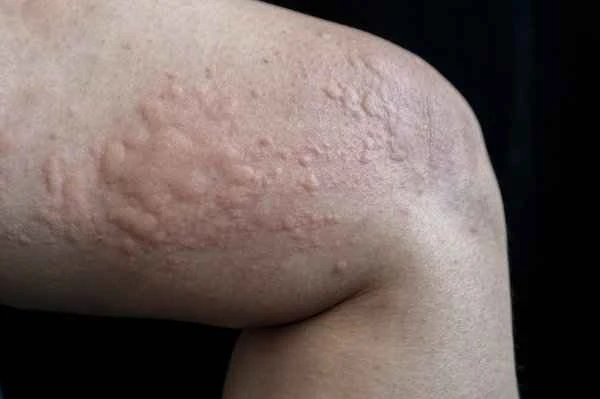
The time it takes for urticaria to improve after taking medication varies from person to person. Acute flare-ups usually subside within hours to days, while chronic cases may take weeks or longer. It is recommended to use medication as directed by a doctor and to cooperate with daily care.

1. Acute urticaria: If the symptoms are mild and medication is used in time, some patients may experience a rash that subsides within a few hours, but it is necessary to take medication for the full course of treatment to consolidate the effect.
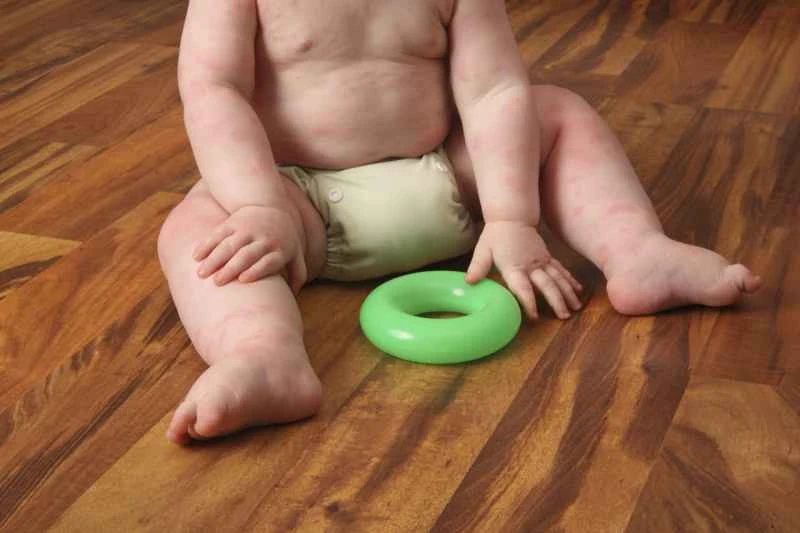
2. Chronic urticaria: The course of the disease is often recurrent and may require continuous medication for several weeks or even months. The doctor will adjust the treatment plan according to the symptoms, and it is not advisable to stop the medication on your own.
3. Individual differences: Different physical conditions, causes of illness and drug sensitivities can affect the speed of recovery. For example, the continued presence of allergens may prolong the treatment time.
During treatment, please carefully record any changes in the rash and avoid scratching and washing with hot water. If drowsiness or other reactions occur after taking antihistamines, it is recommended to avoid driving. If symptoms do not improve or worsen after several days of medication, you should promptly return to your doctor for a follow-up appointment to adjust the treatment plan. At the same time, pay attention to identifying potential triggers such as diet and environment, and maintaining a regular sleep schedule will help your body recover.