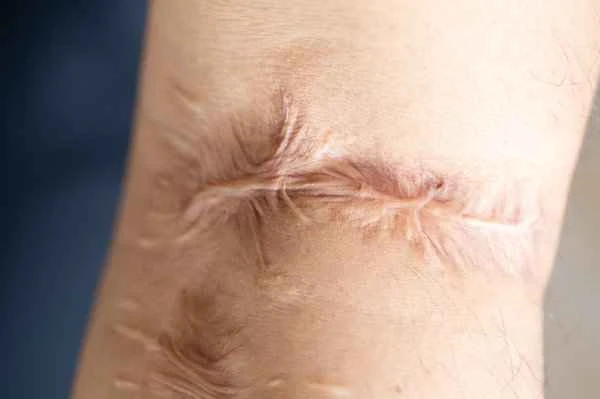
The assessment of scarring predisposition refers to using specific methods to evaluate whether a person is prone to developing excessive scar tissue.
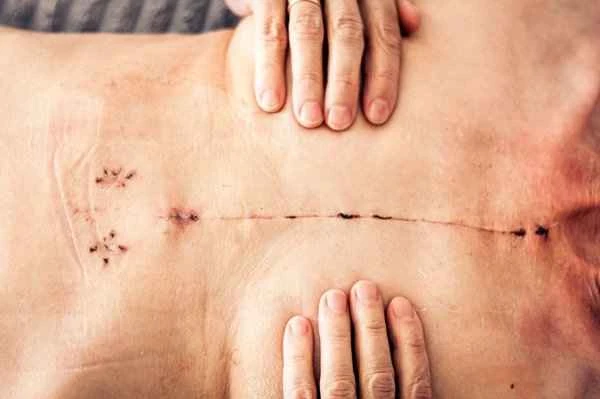
The importance of determining scarring predisposition lies in its ability to help us understand an individual's tendency to form scars after injury, thereby enabling us to take appropriate preventive and treatment measures to avoid or reduce the discomfort and aesthetic problems caused by scar hyperplasia.
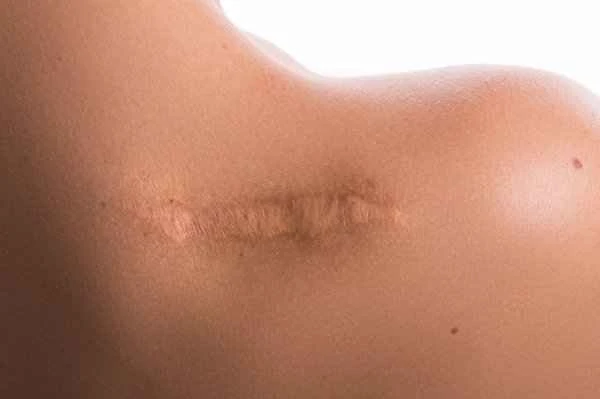
To determine a predisposition to scarring, several medical assessment methods are typically used, such as skin scratch tests, evaluating family history of excessive scarring, or conducting skin biopsies to observe the skin's healing process and cellular structure. These methods help doctors understand an individual's skin healing ability and scarring tendency.
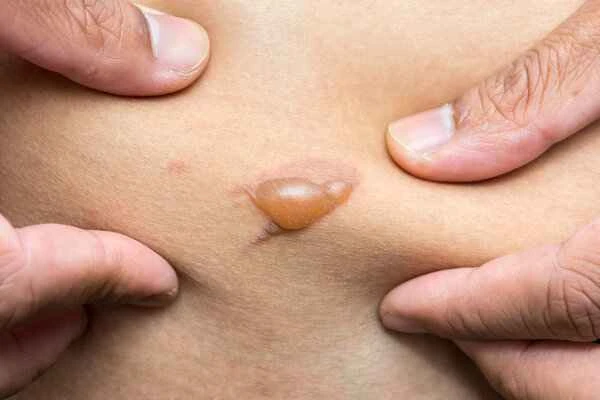
Having understood the assessment results regarding keloid scarring predisposition, we need to view this information objectively. A high-risk keloid scarring predisposition means that an individual is more likely to develop excessive scarring after injury, but this does not mean it will definitely happen. Rather, it requires more cautious handling after injury, such as seeking medical attention promptly, preventing wound infection, and using anti-scarring medications. At the same time, it is important to note that these assessment methods are not 100% accurate, and individual differences can affect the results. Therefore, it is essential to follow the professional advice of a doctor before taking any treatment measures.
【Useful Tips:】
1. Pay attention to family history to understand if there is a genetic predisposition to excessive scarring.
2. Clean the wound promptly after injury to prevent infection and reduce the risk of scarring.
3. Use doctor-recommended anti-scarring medications or dressings to promote wound healing and reduce scar formation.
4. Have regular skin checkups to detect and treat early signs of excessive scarring promptly.