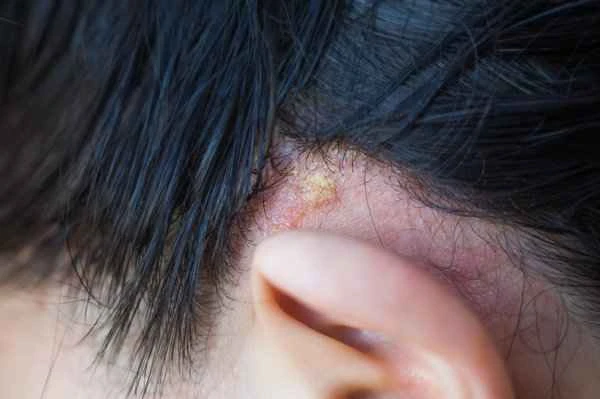
Postoperative scar removal involves a series of treatments to reduce or eliminate scars left after surgery. It relies not only on the passage of time but also on the combined application of multiple treatment methods, including medication, physical therapy, and surgical intervention. While these methods have different mechanisms of action, their common goal is to promote skin repair, reduce inflammation, and promote the normal arrangement of collagen, thereby reducing or eliminating scarring.
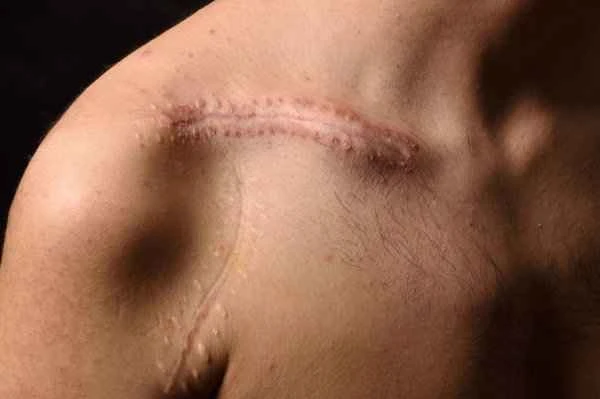
In the treatment of postoperative scars, medication is an important method. Topical medications, such as silicone sheets and vitamin E oil, can promote skin repair and reduce inflammation, thereby mitigating scar formation. Oral medications, such as anti-inflammatory drugs and antioxidants, can regulate inflammation from within the body and promote skin recovery. Physical therapies, such as laser therapy and microneedling, can stimulate skin regeneration and promote the normal arrangement of collagen, thus reducing or eliminating scars. These treatment methods work together to target scar tissue, thereby reducing or eliminating scars.
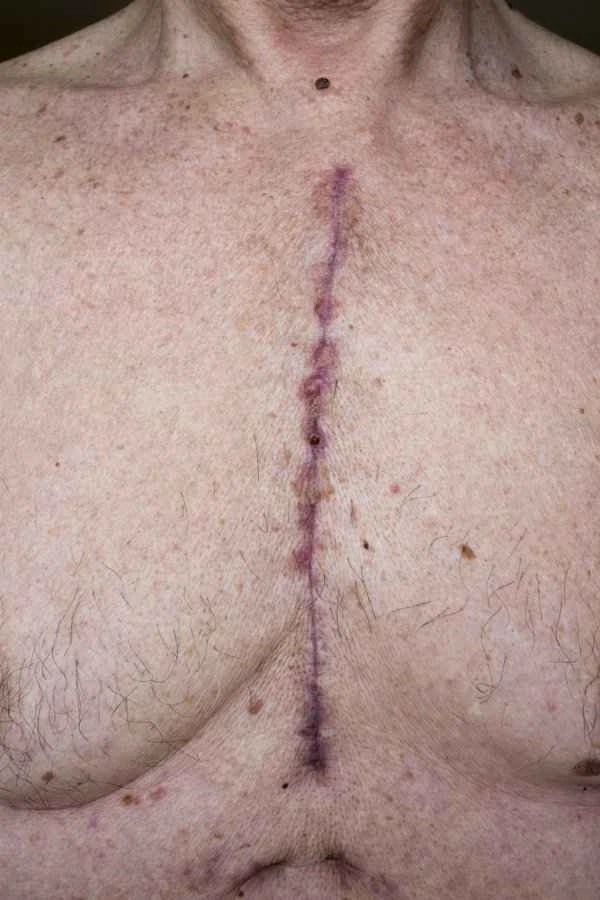
It's important to note that not all scars can be completely eliminated during post-operative scar treatment. Some scars may leave some trace, depending on factors such as the type of scar, the surgical site, and individual constitution. When choosing a treatment method, these factors need to be considered comprehensively to select the most suitable approach. Side effects may occur during scar treatment, such as skin redness, swelling, and pain, which may affect the treatment outcome. Close monitoring of these side effects and timely adjustments to the treatment plan are necessary to achieve the best results.
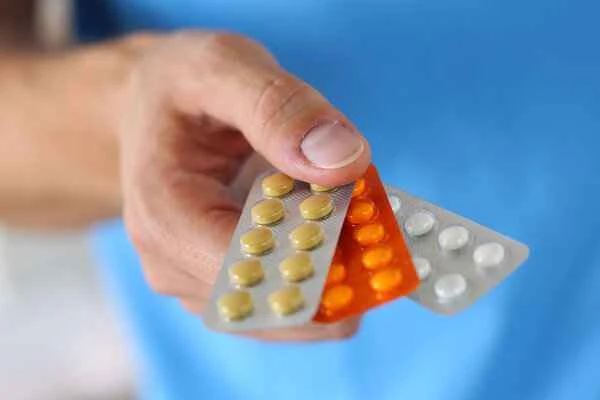
[Management Tip:]
1. After surgery, use topical medications such as silicone sheets or vitamin E oil regularly to promote skin repair.
2. Pay attention to a healthy diet and consume more foods rich in vitamins C and E to promote skin recovery.
3. If redness, swelling, pain or other abnormal symptoms occur, seek medical attention promptly and consult a professional doctor.