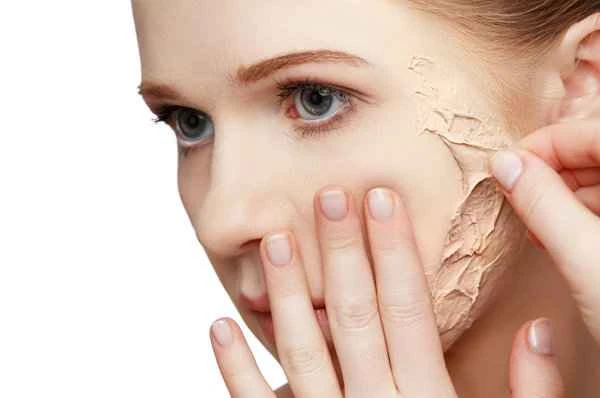
Urticaria (hives) is not an infectious disease; it is an allergic condition and is not transmitted to others through contact or respiration. If you or a family member develops symptoms, it is recommended to seek medical attention promptly to determine the cause and take precautions in daily life.
1. Difference between etiology and infectivity
Urticaria (hives) is usually triggered by allergens (such as food, medication, pollen) or physical stimuli (such as heat, cold, or stress), and is a response of the body's immune system. Infectious diseases, on the other hand, are caused by pathogens such as bacteria and viruses and can spread between people; the two are fundamentally different.
2. Characteristics of Symptom Presentation
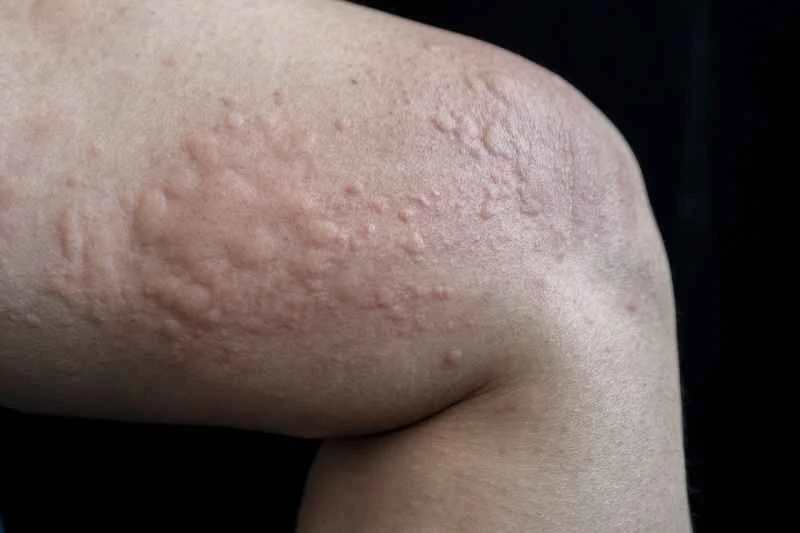
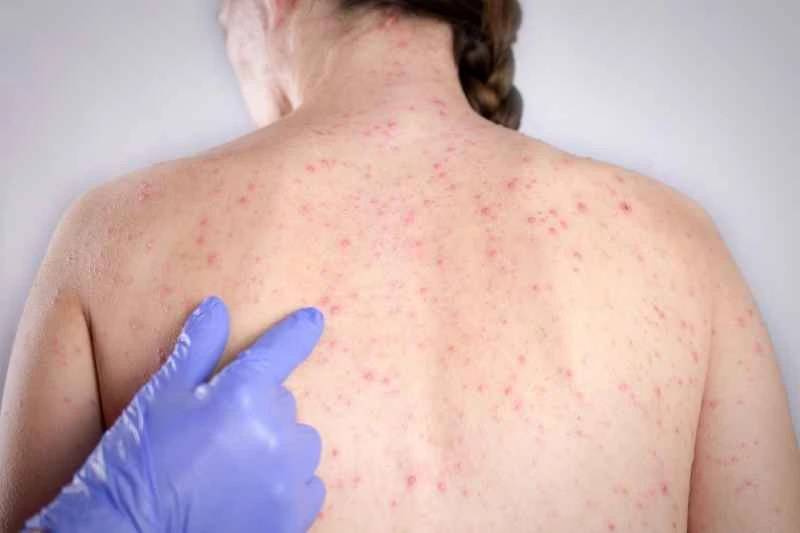
The patient will develop red or pale wheals on their skin, accompanied by itching, but the rash will disappear without leaving any marks. These symptoms only affect the patient; those around them do not need to worry about being infected.
3. Daily Precautions
Although not contagious, recurrent flare-ups can disrupt daily life. It is recommended to record and avoid contact with known allergens, wear loose-fitting cotton clothing, and avoid scratching the skin. If symptoms are frequent or severe, medication should be used under the guidance of a doctor.
While urticaria (hives) can be bothersome, it can be effectively managed. Maintaining healthy lifestyle habits and reducing anxiety can help lower the frequency of flare-ups. If symptoms persist, please consult a professional doctor to develop a personalized treatment plan.