Plantar warts are skin lesions on the soles of the feet caused by human papillomavirus (HPV) infection. Whether treatment is needed depends on the severity of the lesions and the patient's symptoms.
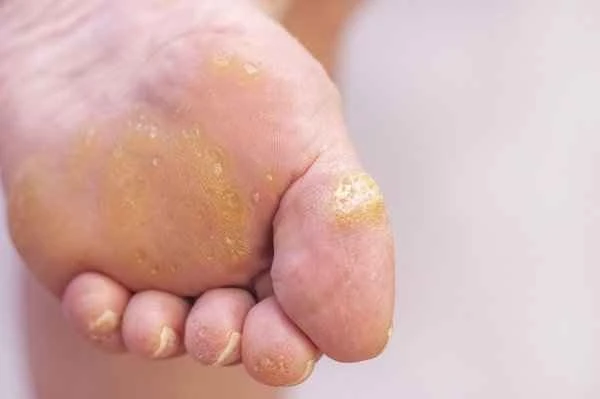
Whether treatment for plantar warts is necessary depends primarily on their impact on a patient's daily life. If plantar warts cause pain, affect walking, or lead to psychological distress, then treatment is necessary. Without treatment, plantar warts may persist or even spread, causing further discomfort and complications. The goal of treatment is to eliminate the virus, alleviate symptoms, and prevent recurrence. Treatment methods are diverse, including physical therapies (such as cryotherapy and laser therapy), chemotherapy (such as the use of salicylic acid or retinoids), and surgical excision. Each method has its advantages and disadvantages, and the most appropriate treatment plan needs to be chosen based on the patient's specific situation. For example, cryotherapy is simple to perform but may require multiple treatments to be effective; laser therapy offers high precision but is more expensive. When choosing a treatment method, the patient's symptoms, the size and location of the lesions, as well as the patient's personal preferences and financial situation should be considered comprehensively.

During the treatment of plantar warts, some side effects or complications may occur, such as pain, redness, swelling, and infection at the treatment site. Some patients may have misconceptions about treatment, believing that it will heal on its own without treatment, or that all treatments are equally effective. In reality, the effectiveness and risks of different treatment methods vary, and the most suitable treatment plan needs to be chosen based on individual circumstances. When deciding whether to treat and which treatment method to choose, it is essential to fully consult a professional doctor to understand the advantages and disadvantages of various treatment options in order to make an informed decision.
[Management Tip:]
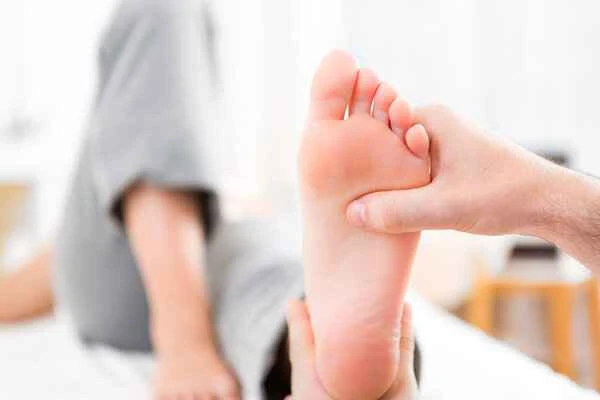
1. Regularly check your feet, especially the soles for any abnormal growths.
2. Keep your feet clean and dry, and avoid wearing the same pair of shoes for extended periods of time.
3. If pain or other discomfort occurs, seek medical attention promptly.