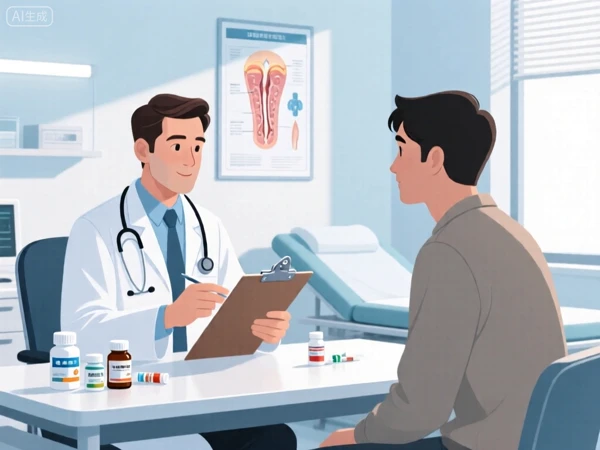
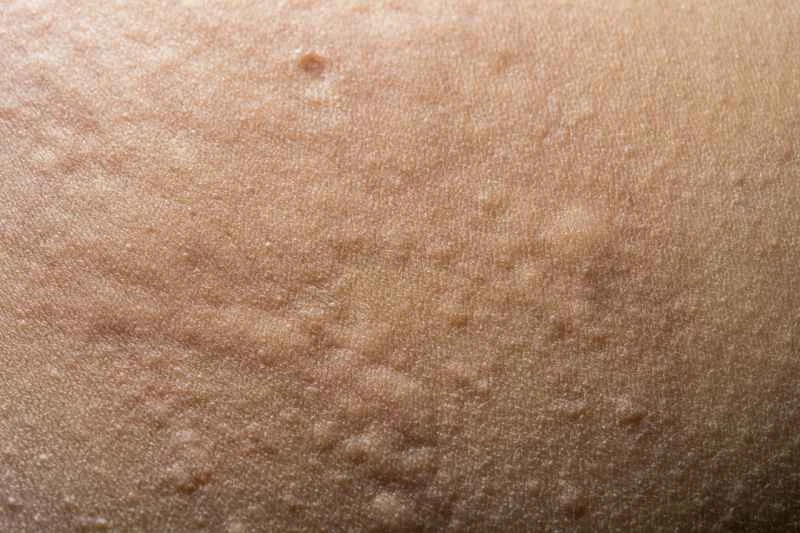
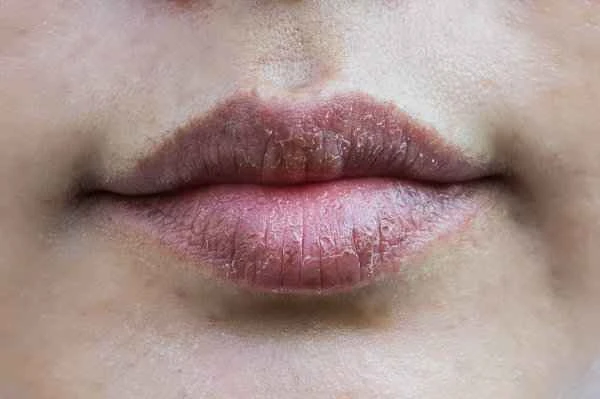
Removal of lip scar lumps refers to the medical treatment to reduce or eliminate scar tissue on the lips caused by trauma, surgery, or other reasons. The process typically involves multiple treatment methods, which may include medication, physical therapy, and surgical intervention, all working together to promote the softening and healing of the scar tissue.
When treating lip scar lumps, it's essential to first understand the basic mechanisms of scar formation. Scars are a natural product of the skin's repair process. When the skin is injured, the body repairs the wound by producing fibrous tissue. Sometimes, this repair process leads to overgrowth, forming hard, lumpy scar tissue. Methods for removing these lumps primarily include medication, laser therapy, pressure therapy, and surgical excision. Medication may involve using steroid creams to reduce inflammation and promote scar softening; laser therapy promotes scar softening by breaking down collagen fibers in the scar tissue; pressure therapy reduces scar tissue growth by applying continuous pressure; and surgical excision directly removes the scar tissue and is suitable for larger lumps. These treatment methods work together to achieve the best therapeutic effect.
During treatment, patients may encounter some risks and misconceptions. Treating lip scars is not a quick fix; it requires patience and adherence to the doctor's instructions, avoiding self-medication with unproven methods. While some treatments, such as medication and laser therapy, are relatively safe, they can still cause side effects, such as skin pigmentation or allergic reactions. When choosing a treatment method, it's essential to comprehensively consider the treatment's effectiveness and potential risks, communicate fully with the doctor, and collaboratively develop the most suitable treatment plan for each individual.
[Management Tip:]
1. Regular follow-up examinations to monitor changes in scar tissue.
2. Use medication as prescribed by your doctor and carefully observe your skin reaction.
3. Maintain good lifestyle habits and avoid spicy or irritating foods.
4. If any abnormal situation occurs, seek medical advice promptly.