Post-operative hypertrophic scars can be eliminated or reduced through various methods, including medication, physical therapy, and surgical intervention. Hypertrophic scars, also known as keloids or hypertrophic scars, are caused by excessive collagen deposition during wound healing. Effective management requires a comprehensive approach considering various treatment methods and their mechanisms of action.
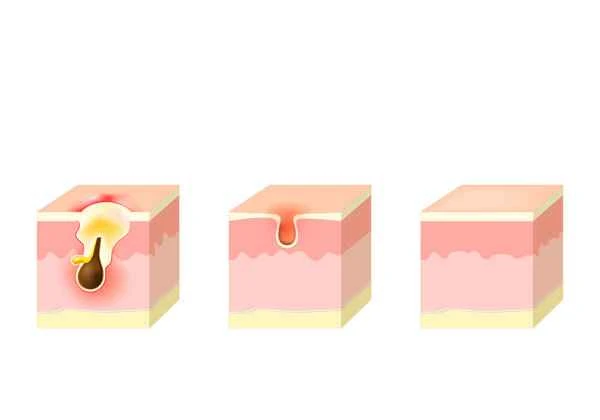
Drug therapy is a common method for treating hypertrophic scars. Topical corticosteroids can reduce inflammation and inhibit excessive collagen deposition, thereby reducing the severity of hypertrophic scars. Silicone gel sheets and creams are also widely used in scar treatment; they maintain a moist environment in the scar area, promoting softening and flattening of the scar. Physical therapy, such as pressure therapy, is also an effective non-surgical treatment method. By applying continuous pressure, it inhibits the growth of scar tissue and helps improve the appearance and texture of the scar.

During the treatment of hypertrophic scars, patients need to understand that it is often a long-term process, and the results vary from person to person. While the treatments mentioned above can improve scar conditions to some extent, they cannot guarantee the complete elimination of hypertrophic scars. Excessive or inappropriate treatment may lead to skin damage or other adverse reactions. When choosing a treatment method, individual circumstances should be fully considered, and treatment should be conducted under the guidance of a professional physician, avoiding self-medication with unproven methods.
[Management Tip:]
1. Use topical treatment with corticosteroids or silicone gel products.
2. Consider using physical therapies such as pressure therapy to reduce scar hyperplasia.
3. Have regular check-ups and adjust the treatment plan according to the doctor's advice.
4. Avoid using unproven treatments on your own to prevent skin damage.