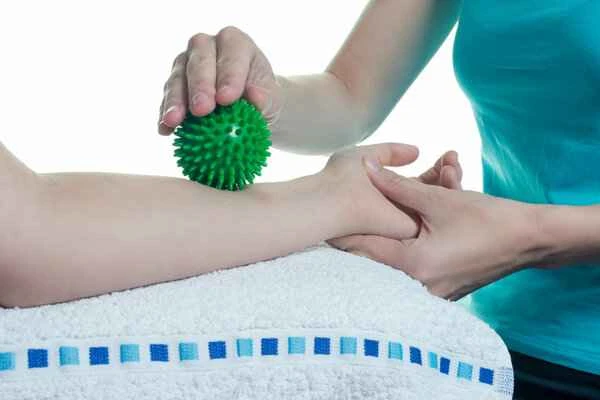
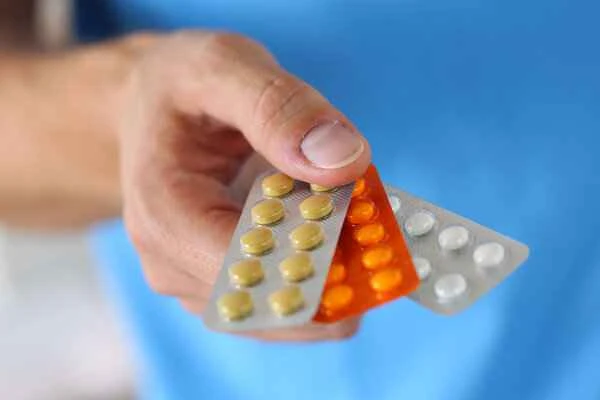
Keloids are excessively growing scar tissue, and their complete cure requires a combination of treatment methods. The treatment of keloids involves a combination of physical therapy, drug therapy, and surgical treatment. Physical therapies, such as pressure therapy and silicone gel patches, can reduce keloid growth and improve its appearance through continuous pressure or the application of silicone gel patches. Drug therapy includes local injections of corticosteroids and 5-fluorouracil, which can inhibit keloid growth and reduce inflammation and pain. Surgical treatments, such as excision and laser therapy, can remove keloids, but the recurrence rate is high. Therefore, they are usually used in combination with other treatment methods to reduce the risk of recurrence.
During the treatment of keloids, patients may face some potential risks and misconceptions. Keloid treatment is a long-term process that requires patience and perseverance. Side effects may occur during treatment, such as thinning of the local skin and hyperpigmentation, which need to be managed under the guidance of a doctor. Some patients may have overly high expectations for the treatment results, believing that a single treatment will completely solve the problem; this misconception may lead to poor treatment outcomes. During treatment, patients need to maintain good communication with their doctor, promptly reporting the treatment progress and their physical condition so that the doctor can adjust the treatment plan accordingly.
[Management Tip:]
1. Regular follow-up examinations to monitor changes in keloid scars.
2. Avoid squeezing or irritating keloids yourself, as this may worsen the condition.
3. If abnormal symptoms such as redness, swelling, or pain occur, seek medical attention promptly.