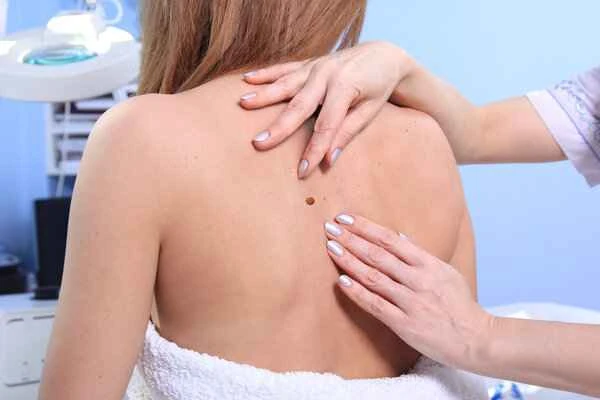
The main solution for moles on the face is to safely remove them through medical means.
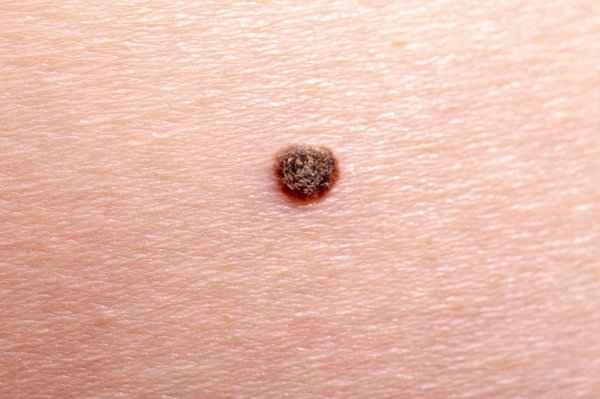
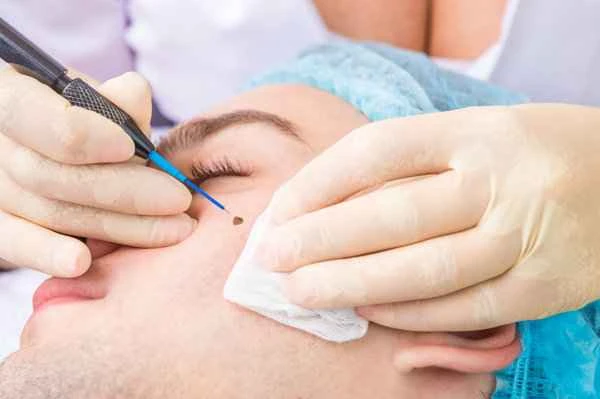
When dealing with moles on the face, the key is to ensure that the removal is safe and effective. This usually involves a professional evaluation by a dermatologist, who will determine the most suitable treatment plan based on the mole's size, color, shape, and any risk of malignancy. Common treatment methods include laser therapy, electrocautery, cryotherapy, and surgical excision. Each method has its specific indications and potential side effects, so choosing the method best suited to your individual situation is crucial. For example, laser therapy uses a high-energy beam of light to target the mole cells, causing them to die and slough off; while surgical excision involves directly removing the mole and a portion of the surrounding skin to ensure complete removal.

Potential risks and common misconceptions about treatment include: some people may mistakenly believe that all moles are harmless and therefore neglect the importance of regular checkups; others may choose unproven home remedies, which may not only be ineffective but also carry the risk of infection or other skin damage. The correct approach is to seek immediate professional medical evaluation if you notice any changes in a mole, such as darkening of color, increase in size, or irregularity in shape. Understanding the type of mole is also important, as certain types, such as junctional or compound nevi, have a higher risk of becoming malignant and require more careful management.
[Management Tip:]
1. Regularly check for changes in moles, such as color, size, and shape.
2. For moles that have a risk of becoming malignant, seek medical attention promptly for a professional evaluation.
3. Avoid attempting to remove moles yourself, as this may cause infection or other skin damage.