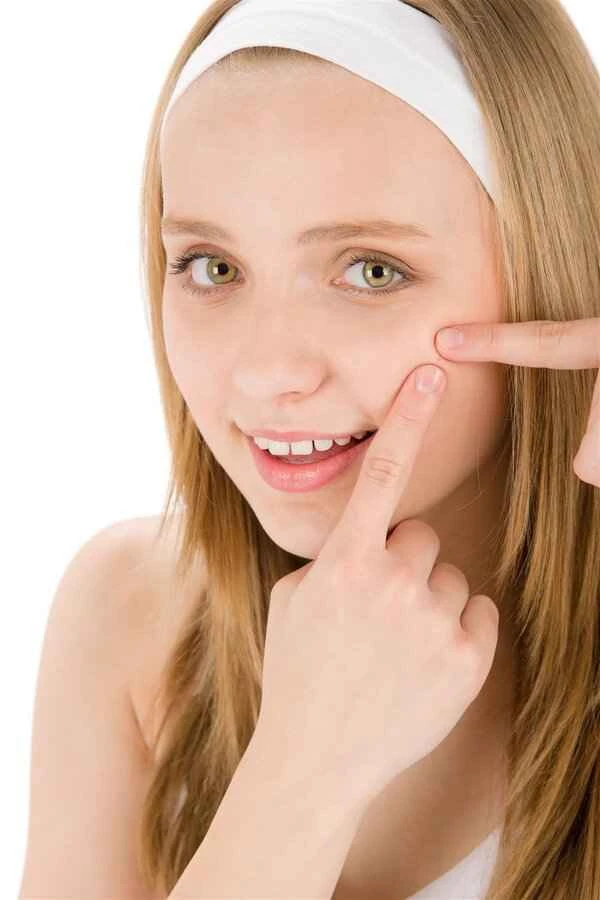
The problem of raised scars on the tip of the nose is actually a phenomenon of scar hyperplasia, which needs to be improved through appropriate treatment.
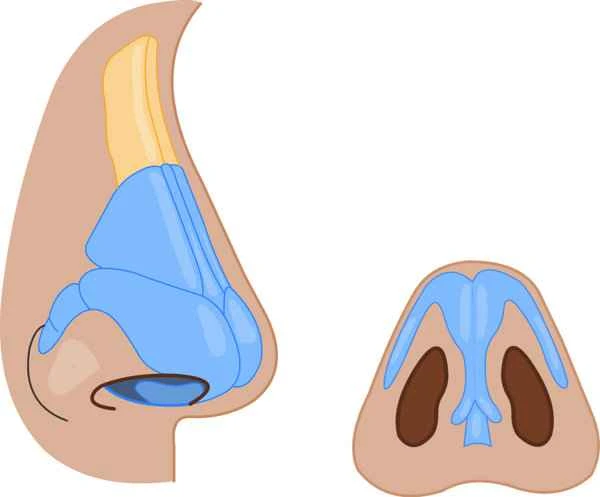
Raised nasal scars are usually caused by excessive collagen production during wound healing. Treatment options include medication, physical therapy, and surgery. Medication primarily uses topical medications such as silicone sheets and gels, which promote scar softening and flattening. Physical therapy includes pressure therapy and laser therapy, which reduce scar tissue growth by applying external pressure or using laser energy. Surgical treatment, for larger or more severe raised scars, may require surgical removal of scar tissue, supplemented by skin grafts to repair the damaged skin area. These treatments each have their advantages and work together through different mechanisms to improve the condition of raised scars. Medication focuses on softening and flattening scar tissue, physical therapy reduces scar tissue growth through external intervention, while surgery is a direct treatment for larger or more severe raised scars.
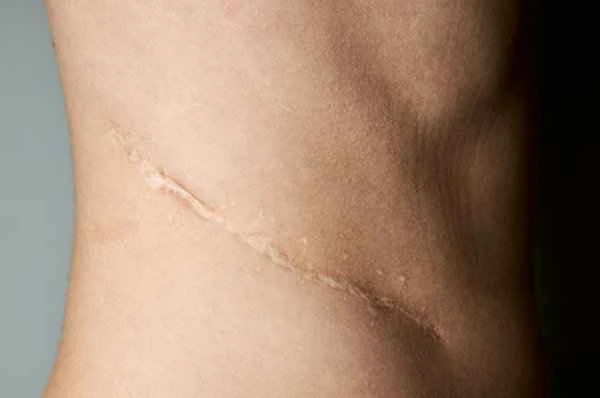
When treating raised nasal scars, it's crucial to be aware of potential side effects. Medication may cause skin allergies or pigmentation, physical therapy may lead to dryness or irritation, and surgery carries risks of infection and bleeding. Some patients mistakenly believe all scars can be improved with simple topical medications; however, for more severe raised scars, a combination of treatments may be necessary for optimal results. When choosing a treatment method, factors such as the scar's type, size, location, and the patient's overall health must be considered to develop the most suitable treatment plan.
[Management Tip:]
1. Using topical medications such as silicone sheets or silicone gel can help promote the softening and flattening of scars.
2. Regular laser or pressure therapy can help reduce the growth of scar tissue.
3. For larger or more severe raised scars, seek medical attention promptly and consider surgical removal of the scar tissue, supplemented by skin grafting or other methods to repair the damaged skin area.