Seborrheic dermatitis is not dandruff, but a common skin condition.
Seborrheic dermatitis is important because it affects the quality of life for many people, and understanding its nature helps in better management and treatment.

Seborrheic dermatitis is an inflammatory disease that occurs in areas with abundant sebaceous glands, commonly found on the scalp, face, and chest. Its occurrence is related to factors such as excessive sebum secretion and the overgrowth of Malassezia. When sebum secretion is excessive, Malassezia proliferates, triggering an inflammatory response and leading to symptoms such as erythema and scaly skin. This condition is often mistaken for dandruff, but the two are fundamentally different. Dandruff is mainly caused by excessive sebum secretion and abnormal stratum corneum metabolism, resulting in the shedding of superficial scalp cells, while seborrheic dermatitis is an inflammatory disease involving deeper layers of skin tissue.
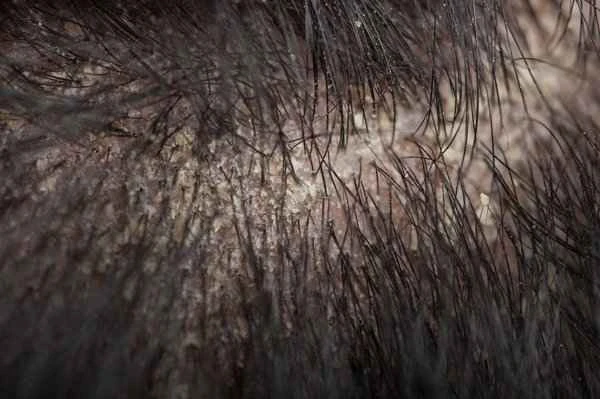
While understanding seborrheic dermatitis, we also need to recognize the limitations of medical concepts. The specific causes and pathogenesis of seborrheic dermatitis are not yet fully understood, therefore, there may be some uncertainty in diagnosis and treatment. When facing seborrheic dermatitis, we should follow the professional advice of a doctor and avoid self-medication, which may worsen the condition. At the same time, we also need to pay attention to our diet and lifestyle habits to avoid overstimulating the sebaceous glands, thereby reducing the occurrence of seborrheic dermatitis.
【Useful Tips】
1. Maintain good personal hygiene habits and wash your hair and skin regularly.
2. Avoid using overly harsh shampoos and skincare products.
3. Pay attention to a healthy diet and avoid consuming too much oily food.
4. If symptoms appear, seek medical attention promptly and follow your doctor's professional advice for treatment.