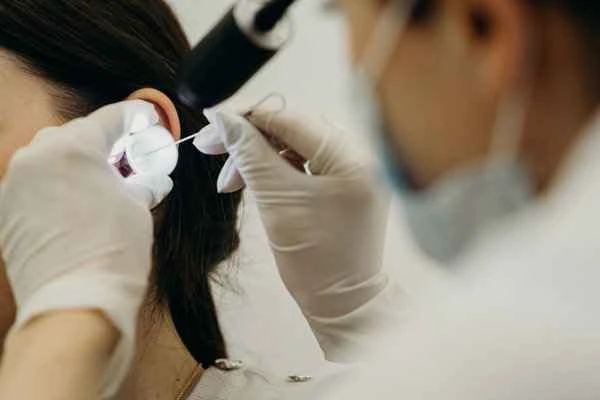
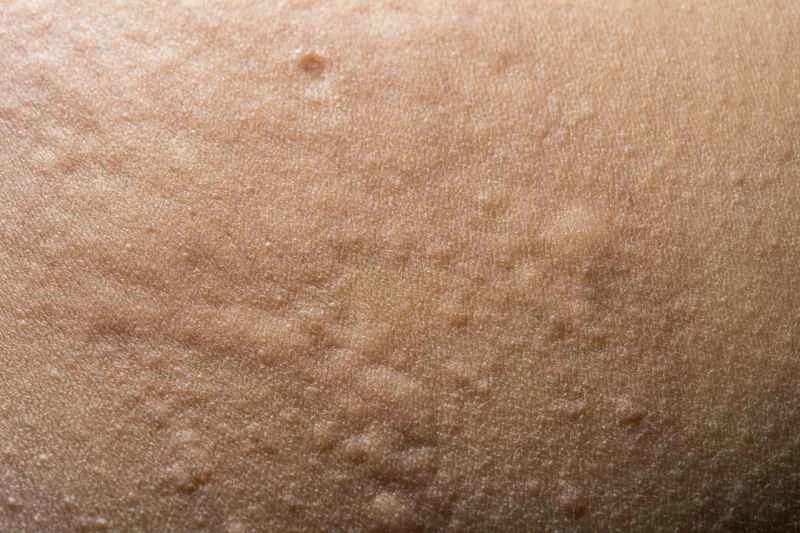
Pressure urticaria is a type of urticaria caused by pressure or friction on the skin. Treatment of it requires a comprehensive consideration of the cause, symptoms, and individual health condition.

The key to treating pressure urticaria is avoiding triggering factors while using antihistamines to relieve symptoms. Avoid prolonged pressure on the skin, such as wearing tight clothing or sitting on hard surfaces for extended periods. Non-sedating antihistamines can effectively relieve itching and redness. These medications reduce allergic reactions by blocking the release of histamine in the body, thus alleviating symptoms. For severe pressure urticaria, doctors may prescribe corticosteroids to quickly reduce inflammation and allergic reactions. During treatment, patients need to closely monitor changes in symptoms and adjust the treatment plan according to the doctor's advice.
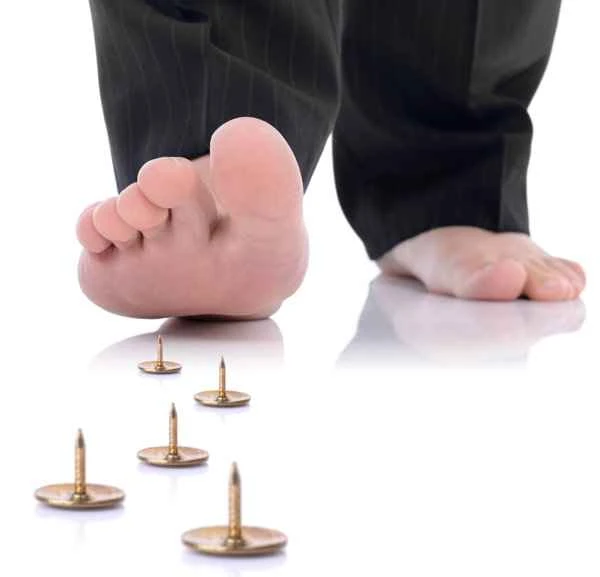
Patients may encounter some misconceptions when treating pressure urticaria. For example, some people believe that simply avoiding pressure on the skin can completely prevent urticaria, but in reality, individual sensitivity to pressure varies, and some people's skin may be more susceptible to its effects. Some patients may overlook the potential severity of urticaria; in some cases, pressure urticaria can be associated with other serious allergic reactions, requiring prompt medical attention. Understanding the potential risks of pressure urticaria and the correct treatment methods is crucial.
[Management Tip:]
1. Avoid prolonged pressure on the skin and wear loose, comfortable clothing.
2. Use non-sedating antihistamines to relieve symptoms.
3. For severe symptoms, seek medical attention promptly and adjust the treatment plan according to the doctor's advice.