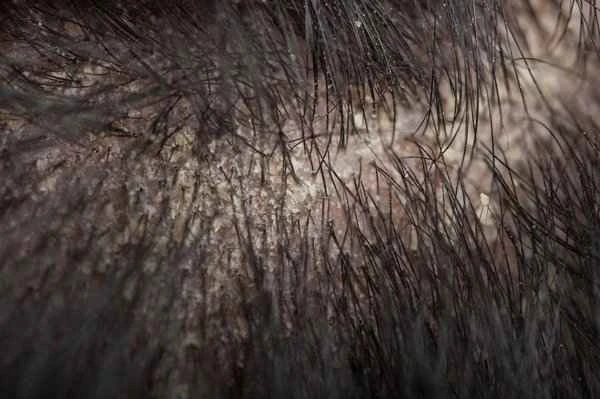
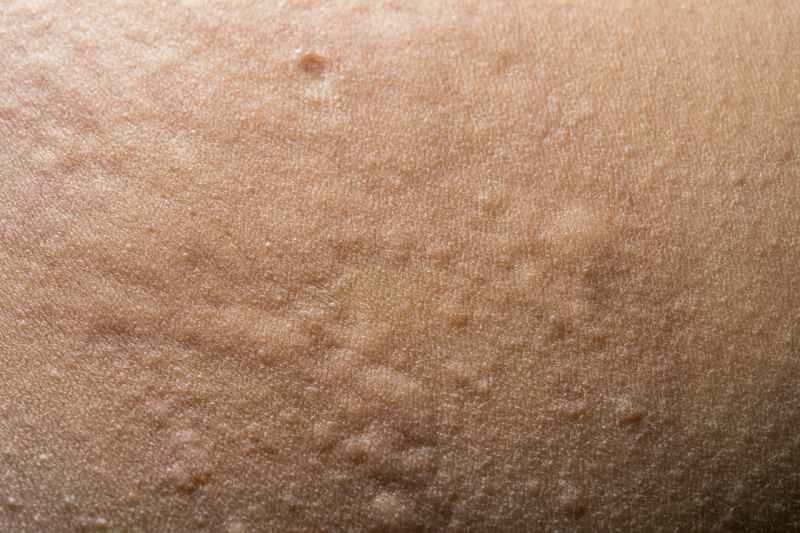
Treatment for polyp scar hyperplasia mainly involves surgical removal of the hyperplastic scar tissue, supplemented by drug therapy and other adjuvant therapies to promote wound healing and prevent recurrence.
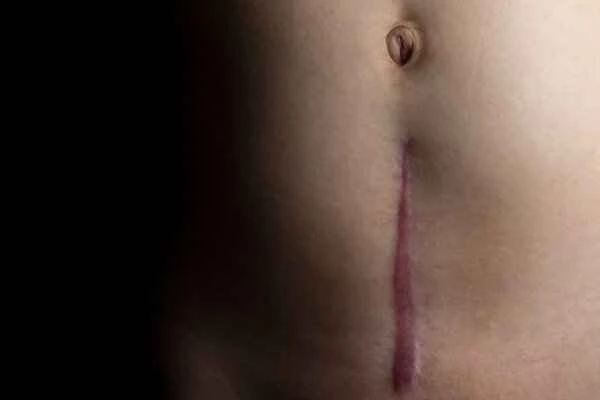
The core of treating polyp scar hyperplasia lies in the complete removal of the diseased tissue to prevent its further development. Surgical excision is currently the most direct and effective treatment method, using surgical techniques to completely remove the hyperplastic scar tissue in order to achieve a radical cure. Post-operatively, doctors will use medication to control the inflammatory response and promote wound healing, depending on the patient's specific condition. Commonly used medications include nonsteroidal anti-inflammatory drugs (NSAIDs) and corticosteroids, which can reduce inflammation and decrease scar tissue formation. Physical therapy and wearing pressure garments are also widely used as adjunctive therapies in post-operative recovery to help reshape the skin structure and reduce the risk of hyperplastic scarring.
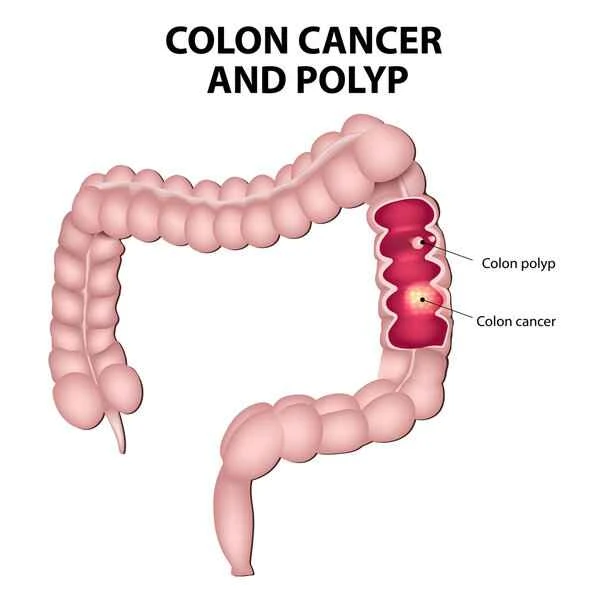
During treatment, patients may face some potential risks, such as infection, bleeding, and regrowth of scar tissue. Choosing the appropriate treatment plan and postoperative care is crucial. At the same time, patients need to understand that even with complete surgical removal, scar hyperplasia can still occur if postoperative care and lifestyle adjustments are not taken seriously. Treatment involves more than just removing the diseased tissue; patients also need to take proactive measures after surgery to reduce the risk of recurrence.
[Management Tip:]
1. Regular follow-up examinations to monitor wound healing.
2. Use medication as prescribed by your doctor to control the inflammatory response.
3. Wear pressure garments after surgery to promote skin remodeling.
4. Adjust your lifestyle and avoid triggering factors.