Seborrheic dermatitis of the scalp is a common skin condition, mainly characterized by excessive sebum secretion, erythema, and scaling. The core of treating seborrheic dermatitis of the scalp lies in regulating sebum secretion and reducing inflammatory responses, thereby alleviating symptoms.
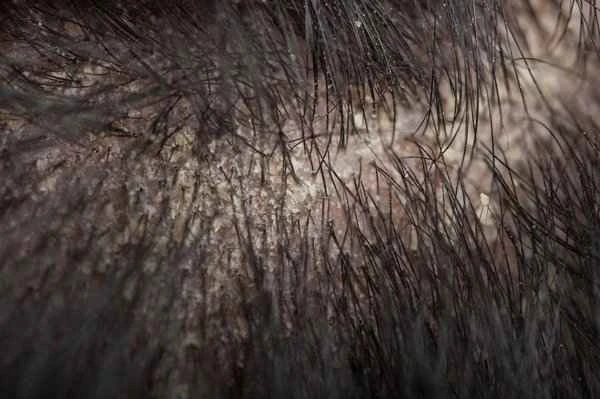
Treatment for seborrheic dermatitis of the scalp primarily relies on medication and lifestyle modifications. Commonly used medications include antifungal drugs, corticosteroids, and vitamin D3 derivatives. Antifungal drugs inhibit fungal growth and reduce scalp sebum secretion; corticosteroids reduce inflammation and relieve itching and erythema; and vitamin D3 derivatives help regulate skin cell growth and differentiation. These medications work synergistically through different mechanisms to improve the scalp environment and alleviate the symptoms of seborrheic dermatitis. Maintaining healthy lifestyle habits, such as a balanced diet, avoiding stress, and keeping the scalp clean, are also important components of treating seborrheic dermatitis.

When treating seborrheic dermatitis of the scalp, it's important to avoid using overly irritating shampoos or medications, as these can worsen the inflammation. Furthermore, treating seborrheic dermatitis is a long-term process, requiring patience and consistent treatment. Seborrheic dermatitis may be related to various factors such as genetics, environment, and diet; therefore, treatment should consider all these factors and employ an individualized treatment plan.
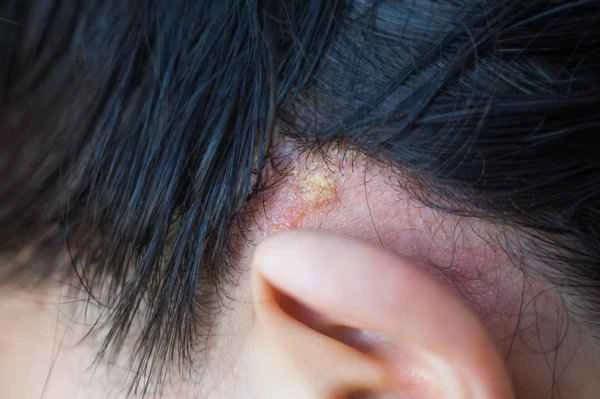
[Management Tip:]
1. Use shampoos containing ingredients such as ketoconazole and selenium sulfide to help control scalp oil secretion.
2. Use antifungal medications or corticosteroid creams regularly to reduce inflammation.
3. Adjust your diet, avoid high-sugar and high-fat foods, and reduce scalp oil secretion.
4. Reducing mental stress and maintaining good lifestyle habits can help improve the symptoms of seborrheic dermatitis.