Scars turning into blisters can be caused by a variety of reasons, such as skin infection, allergic reaction, or inflammation of the scar tissue. This situation requires prompt attention because different causes may require different treatments.
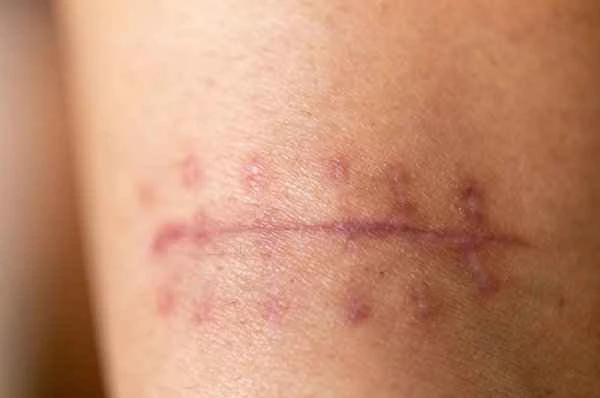
Scars turning into blisters can be caused by bacterial or fungal infections. In this case, redness, swelling, and pain may occur around the blisters, and symptoms such as fever may also be present. Infections usually occur where the skin barrier is compromised, such as surgical incisions or scars after trauma. If the blisters are accompanied by purulent discharge, this could be a clear sign of infection and requires prompt medical attention.
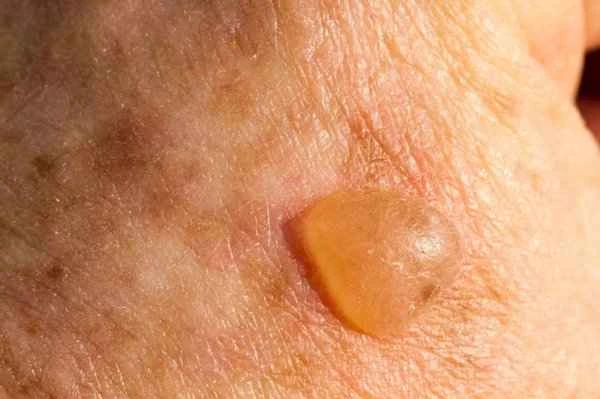
Another possibility is an allergic reaction, such as an allergy to certain medications, cosmetics, or environmental factors. This type of allergic reaction can cause blisters on the skin, accompanied by symptoms such as itching and redness. If you have recently used new skincare products or medications and blisters have formed on the skin, an allergy may be one of the causes.

If the symptoms show signs of continued enlargement, worsening pain, high fever, or general malaise, more serious underlying causes should be considered, such as autoimmune diseases or other skin conditions. In such cases, you should immediately seek professional medical help for diagnosis and treatment.
When a scar turns into a blister, it's important to note that not all cases require emergency medical attention. However, any persistent blister or blister accompanied by other serious symptoms should be taken seriously. Avoid squeezing or puncturing the blister yourself, as this may worsen the infection or lead to other complications.
[Prevention Tips:]
1. Keep the wound and scar area clean and dry.
2. Avoid using cosmetics or medications that may cause allergic reactions.
3. Regularly check the scarred area to observe for any abnormal changes.
4. If blisters or other abnormal symptoms appear, seek medical advice promptly.