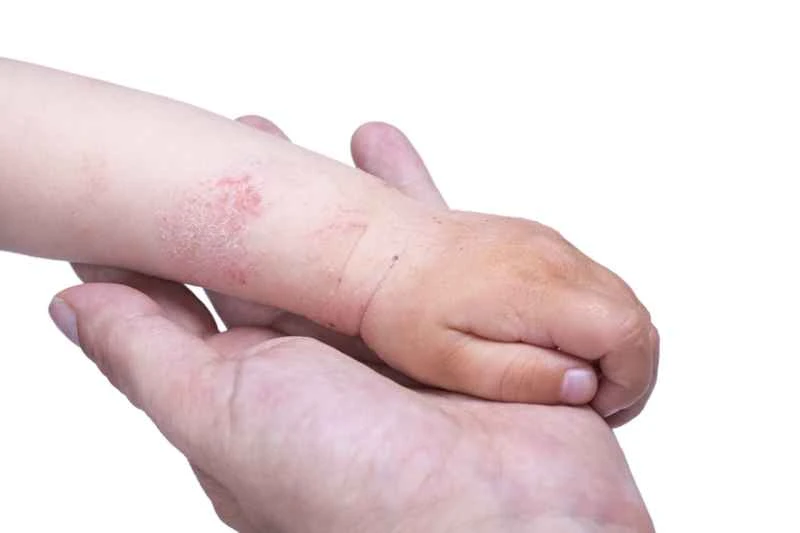
Patients with urticaria should avoid foods that may trigger or worsen their symptoms, mainly including high-histamine foods, spicy and irritating foods, and processed foods with many additives. It is recommended to observe your own reactions by keeping a dietary record and consult a doctor to develop a personalized treatment plan.
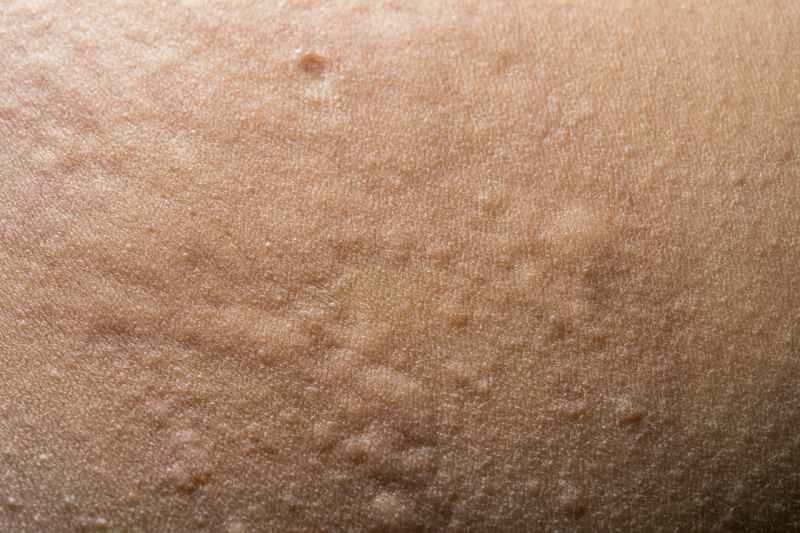
1. Foods high in histamine or that easily release histamine: such as stale fish, shrimp, crab, and other seafood; long-stored cheese and pickled products; as well as spinach, tomatoes, and some nuts. These substances may directly or indirectly trigger allergic skin reactions.

2. Spicy and irritating foods: Chili peppers, Sichuan peppercorns, alcoholic beverages, etc. may stimulate vasodilation, aggravating skin itching and redness.
3. Foods containing artificial additives: Colorings, preservatives, and other ingredients in some canned goods, snacks, and beverages may be allergens, so pay attention to food labels.
4. Special cases: A small number of people are sensitive to common foods such as eggs, milk or mangoes, but this is not a general rule and needs to be judged in combination with individual circumstances.
In your daily diet, prioritize fresh fruits and vegetables and lightly cooked ingredients. If you're unsure whether a certain food is suitable, try eating a small amount and observe any changes in your skin. Maintaining a regular sleep schedule, avoiding anxiety, and gradually adjusting your diet as directed by your doctor will help you better manage your symptoms.