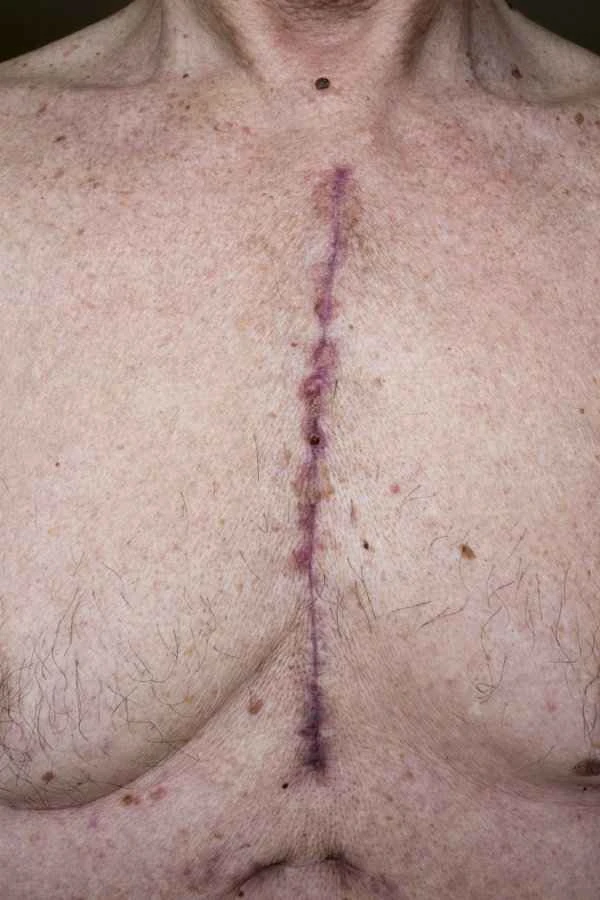
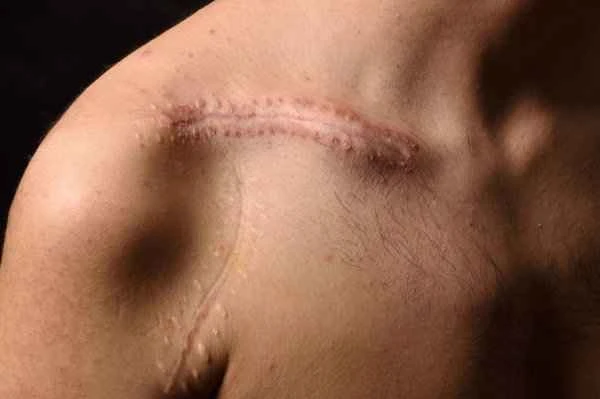
Scar atrophy refers to the process by which existing scars gradually shrink, flatten, and even disappear through a series of treatments. Achieving scar atrophy relies on the comprehensive application of multiple treatment methods aimed at promoting scar tissue remodeling and reducing the volume and hardness of the scar tissue.
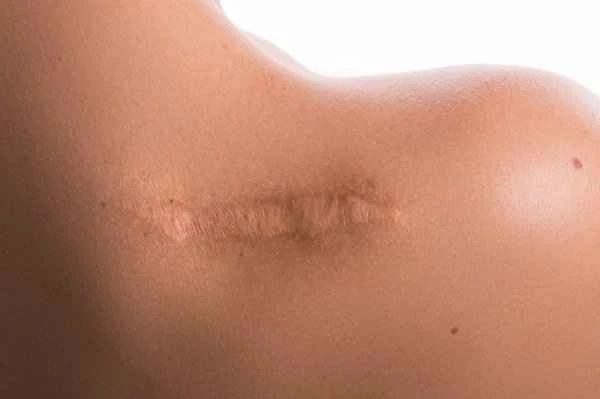
To achieve scar atrophy, it's essential to understand the basic mechanisms of scar formation. Scars are formed by collagen deposition during wound healing; excessive collagen deposition leads to scar formation. Treatment strategies for scar atrophy primarily include medication, physical therapy, and surgery. Medication can utilize corticosteroids to reduce scar formation by inhibiting inflammatory responses and collagen synthesis. Physical therapy can promote scar tissue remodeling through methods such as pressure therapy and laser therapy. Surgical treatment involves directly removing scar tissue through excision or skin grafting, promoting skin repair.
Treatment for keloid scarring is not a quick fix and may involve some side effects and risks. For example, corticosteroid medications may cause skin thinning and hyperpigmentation. It's also important to avoid common misconceptions during treatment, such as over-reliance on a single treatment method or neglecting daily skincare. A comprehensive approach, considering multiple factors, is necessary to develop a personalized treatment plan to achieve the best possible outcome.
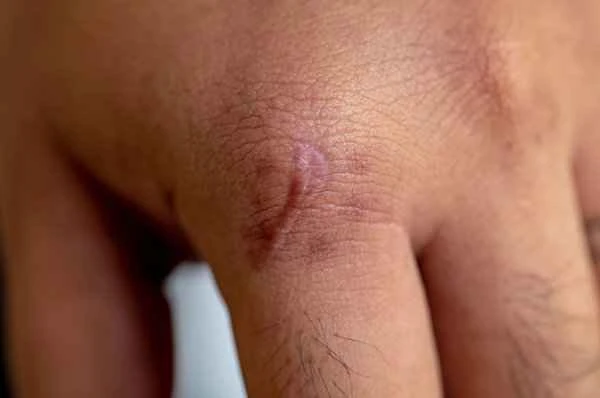
[Management Tip:]
1. Regularly monitor changes in the scar and adjust the treatment plan accordingly.
2. Adjust your lifestyle to avoid excessive stimulation of the scar.
3. If any abnormal situation occurs, seek medical attention promptly for professional advice.