When people with a tendency to form keloids seek pain relief, they need to consider the cause of the pain and the specific characteristics of their body to find the fastest and safest way to alleviate the pain.
For individuals with a tendency to form keloids, the first step in dealing with pain is to identify the cause, as this condition may be related to genetics or abnormal reactions during the skin healing process. Pain relief should be based on the specific cause of the pain, such as pain after surgery, trauma, or skin infection. Various methods can be used to manage this pain, including medication, physical therapy, and topical treatments. For medication, nonsteroidal anti-inflammatory drugs (NSAIDs) (such as ibuprofen) can effectively relieve pain caused by inflammation; however, it's important to note that these drugs may have side effects for individuals with a tendency to form keloids, such as increased bleeding risk or worsening of scar formation. Physical therapy includes cold or hot compresses, both of which can help reduce pain. Cold compresses help reduce inflammation and swelling, while hot compresses help relax muscles and relieve pain. Topical treatments, such as using ointments containing anesthetic ingredients, can also be applied directly to the painful area for rapid pain relief.
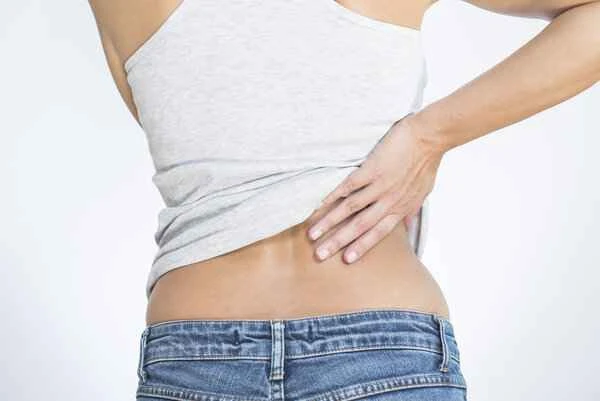
When taking the above measures, it's important to note that people with a tendency to form keloids may face higher risks when using pain relief, such as increased risk of drug side effects and infection. Before using any pain relief method, consult a doctor to ensure the safety and effectiveness of the chosen method. People with a tendency to form keloids may mistakenly believe that all pain can be resolved with simple painkillers; however, pain associated with keloid formation may require a more personalized treatment plan. When facing pain, remain vigilant and avoid self-medication; instead, seek treatment under the guidance of a doctor.
[Management Tip:]
1. Always consult a doctor before using any pain medication to ensure its safety and suitability.
2. Regularly monitor your physical condition, especially the healing of painful areas, and promptly identify and treat any possible complications.
3. Maintain good lifestyle habits, such as a balanced diet and moderate exercise, to enhance overall physical health.
4. If abnormal pain or poor healing occurs, seek medical attention promptly to avoid self-treatment that could worsen the condition.