Treatment for keloids primarily involves various methods to alleviate symptoms and improve appearance. A keloid is an overgrowth of scar tissue, typically larger than the original wound, and is often accompanied by pain or itching. The goal of keloid treatment is to inhibit its growth, reduce symptoms, and restore the skin's appearance as much as possible.
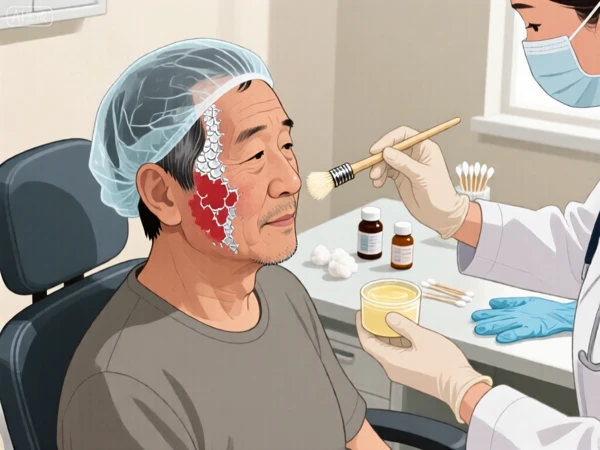
There are various methods for treating keloids, including medication, physical therapy, and surgery. Medication typically involves topical corticosteroids, which reduce inflammation and inhibit fibroblast activity, thus slowing keloid growth. Physical therapies include laser therapy, cryotherapy, and pressure therapy; these methods break down scar tissue and promote the regeneration of normal skin tissue. Surgical treatments include excision and flap transfer, but often require combination with other treatments to prevent recurrence. These methods work together to treat keloids by suppressing inflammation, reducing fibroblast activity, and promoting the regeneration of normal skin tissue.
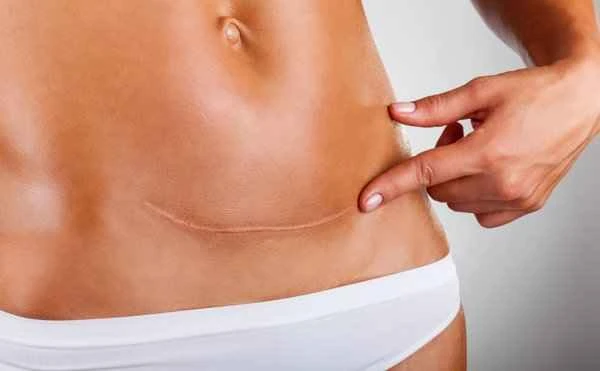
It's important to note that not all treatment methods are suitable for all patients, and treatment outcomes vary from person to person. Keloid treatment may require long-term adherence and may involve side effects such as thinning of the local skin and hyperpigmentation. When choosing a treatment method, it's necessary to comprehensively consider factors such as the patient's individual condition, the type and location of the keloid, to develop the most suitable treatment plan.
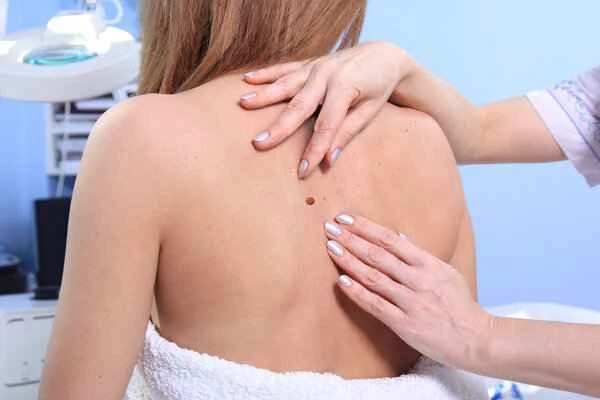
[Management Tip:]
1. Have regular follow-up visits and adjust the treatment plan according to the doctor's advice.
2. Avoid squeezing or irritating keloids yourself.
3. Maintain good lifestyle habits, such as avoiding smoking and excessive sun exposure.