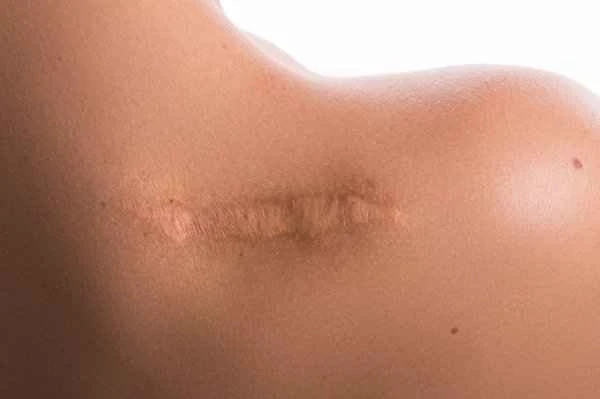
Removing raised scars, also known as hypertrophic scars or keloids, requires selecting the appropriate treatment method based on the specific characteristics of the scar. Hypertrophic scars and keloids are raised scars formed by excessive collagen production during the skin's wound healing process; they typically appear within weeks to months after the wound has healed. Methods for removing these scars include medication, physical therapy, and surgery, each with its specific mechanism of action and indications.
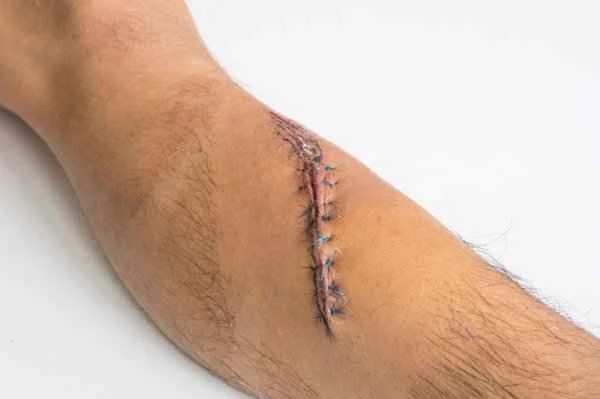
Drug therapy is a common method for removing raised scars, including topical corticosteroids, 5-fluorouracil, and interferon. These drugs inhibit scar tissue growth and reduce inflammation, thereby softening and flattening the scar. Physical therapies such as laser therapy, cryotherapy, and radiofrequency ablation improve the appearance of scars by destroying scar tissue or promoting its remodeling. Surgical treatment is suitable for larger scars, improving their appearance and texture by removing scar tissue and using skin grafts. These treatment methods are not isolated but can be used in combination to achieve the best therapeutic effect.

Patients may encounter some risks and misconceptions during the treatment of raised scars. Discomfort such as local skin redness, swelling, and pain may occur during treatment; these reactions are usually temporary but require close observation. Treatment effectiveness varies from person to person; some patients may not respond well to certain treatment methods, necessitating good communication between the patient and doctor to adjust the treatment plan promptly. Some patients may mistakenly believe that scars will completely disappear after treatment. In reality, the goal of treatment is to reduce the prominence of the scar and improve its appearance, not to completely eliminate it. Before treatment, patients should fully communicate with their doctor to understand the expected results and potential risks in order to make an informed decision.
[Management Tip:]
1. Have regular check-ups and evaluations of the scars at the hospital to monitor the treatment's effectiveness.
2. Adjust your lifestyle habits to avoid excessive friction and irritation to the scarred area.
3. If redness, swelling, pain or other abnormal symptoms occur, seek medical advice promptly.