People with a tendency to form keloids are prone to developing excessive scarring after wounds heal.
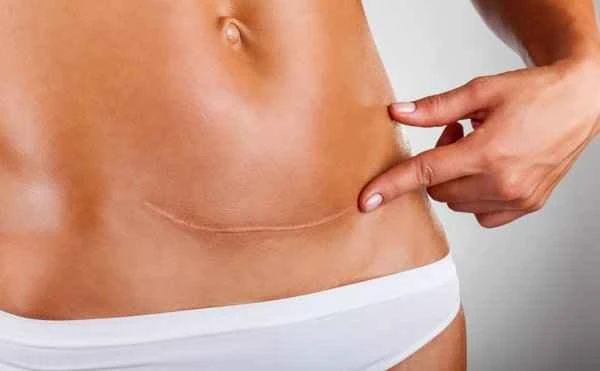
Identifying a predisposition to keloid scarring is primarily based on personal or family history and the skin's response to trauma. In individuals with a predisposition to keloid scarring, the skin tissue produces excessive collagen during wound healing, leading to overgrowth of scars that form lumps or bumps. These overgrown scars not only affect appearance but may also be accompanied by discomfort such as pain and itching. Individuals with a predisposition to keloid scarring may develop these overgrown scars after surgery, injections, or even minor scratches.
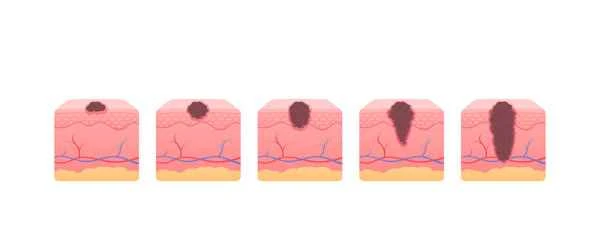
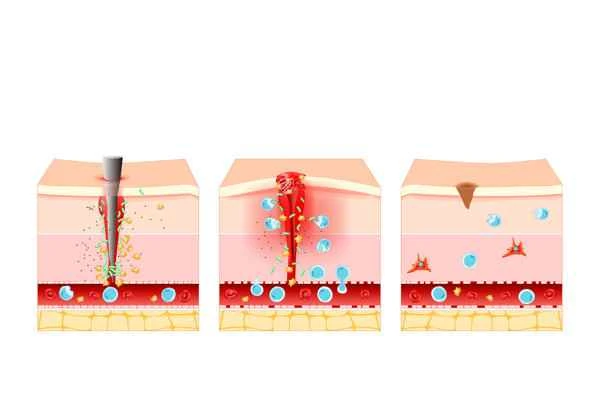
For people with a predisposition to keloid scarring, prevention and early intervention are crucial. Avoiding unnecessary skin trauma, such as tattooing and piercing, can reduce the likelihood of scar formation. If trauma does occur, the wound should be cleaned immediately and kept dry and clean to promote proper healing. For existing scars, interventions such as silicone sheets, pressure therapy, or topical medications can be used to reduce excessive scar growth.
[Life Tips:]
1. Pay attention to personal and family medical history to understand whether there is a tendency to form keloids.
2. Avoid unnecessary skin trauma to reduce the chance of scar formation.
3. For existing scars, take appropriate treatment measures in a timely manner, such as using silicone sheets or topical medications.
4. Keep the wound clean and dry to promote normal healing and avoid infection.