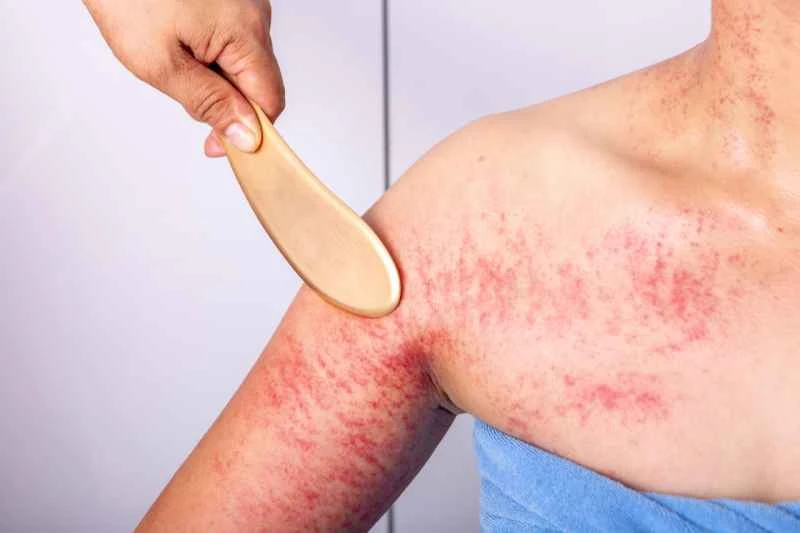
Prevention of itching from keloids primarily involves reducing symptoms by controlling inflammation and avoiding irritation. Keloids are overgrown scar tissue that can cause itching when stimulated or inflamed. The key to preventing keloid itching lies in reducing inflammation and avoiding further irritation to the scar.
Inflammation is the primary cause of itching in keloids. Keloid formation is related to an overactive inflammatory response during wound healing. When keloids are exposed to external stimuli, the inflammatory response is further activated, leading to itching. Controlling the inflammatory response is crucial for preventing keloid itching. Avoiding further irritation to the scar is equally important. Keloids are very sensitive to external stimuli; friction, pressure, and temperature changes can all trigger itching. Avoiding these irritants is also key to preventing keloid itching.
There may be some side effects and risks during the treatment of itchy keloid scars. For example, certain medications may cause skin allergies or irritation, while physical therapies such as pressure garments may cause local skin discomfort. Some patients may mistakenly believe that itchy keloid scars are part of the natural healing process and neglect the importance of timely treatment. In fact, persistent itching may be a sign that the inflammatory response is not being effectively controlled, requiring prompt medical evaluation and treatment.
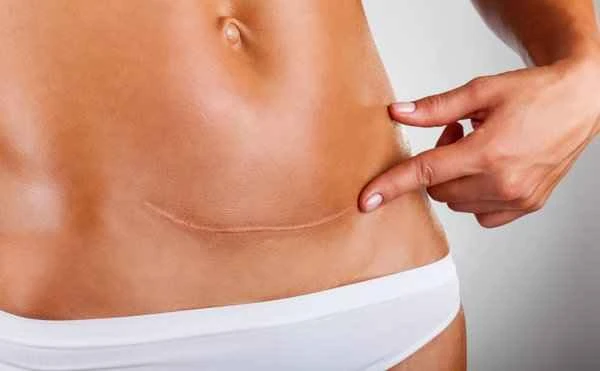
[Prevention Tips:]
1. Keep the wound clean to prevent infection and reduce inflammation.
2. Avoid direct friction and pressure on keloids to reduce irritation.
3. Use anti-inflammatory ointments recommended by your doctor regularly to control the inflammatory response.
4. If persistent itching occurs, seek medical attention promptly for professional evaluation and treatment.