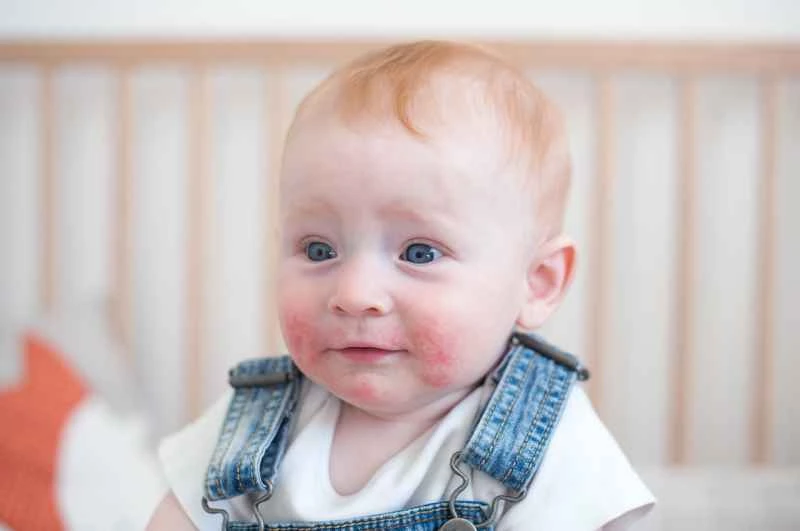
Keloids are overgrown scar tissues that appear after skin injury, especially in trauma-prone areas like the cheeks. Removing keloids on the cheeks requires a combination of treatment methods, including medication, physical therapy, and surgery.
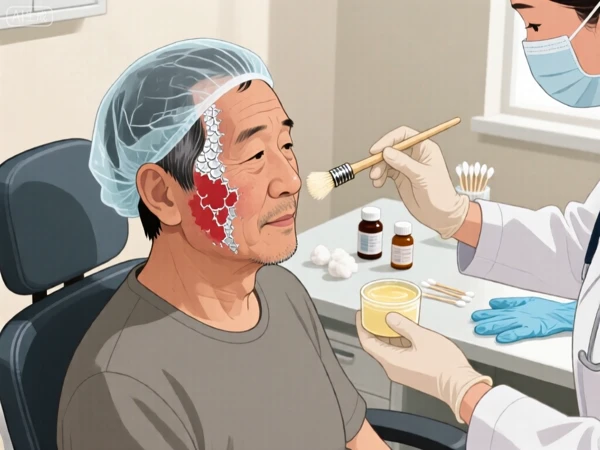
When treating keloids on the cheeks, it's essential to understand their formation mechanism. Keloids are formed due to excessive collagen production following skin injury. The key to treating keloids lies in inhibiting excessive collagen growth while promoting normal skin repair processes. In terms of medication, topical corticosteroids can effectively alleviate keloid symptoms by reducing inflammation and inhibiting collagen synthesis. Laser and radiation therapy can also be used to suppress keloid growth by destroying fibroblasts in the scar tissue, thus reducing scar formation. Physical therapies such as pressure therapy apply continuous pressure to limit scar tissue growth, thereby reducing keloid size. For some severe keloids, surgical removal of the scar tissue may be necessary, combined with other treatments to prevent recurrence.
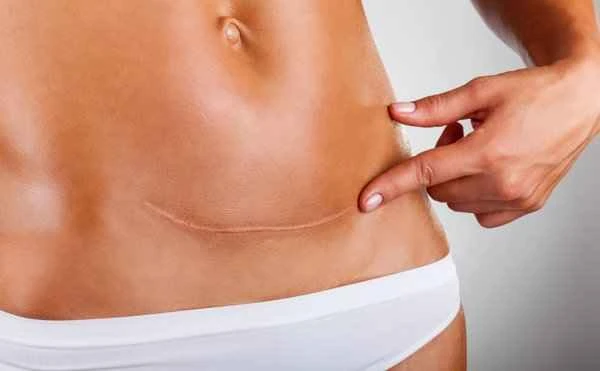
When treating keloid scars on the cheeks, it's crucial to understand that keloid treatment is a long-term process requiring patience and consistent care. Side effects such as hyperpigmentation and infection may occur during treatment; therefore, close monitoring of the skin's condition and timely adjustments to the treatment plan are essential. Patients should also avoid squeezing or irritating the keloid scars themselves, as this can worsen symptoms or cause the scar to enlarge further.
[Management Tip:]
1. Use topical corticosteroid creams regularly to reduce inflammation and inhibit the growth of keloids.
2. Under the guidance of a doctor, try laser treatment or radiation therapy to further reduce scar tissue.
3. Use pressure therapy devices, such as pressure pads or bandages, to limit the growth of scar tissue.
4. Have regular check-ups to monitor changes in keloids and adjust the treatment plan according to the doctor's advice.