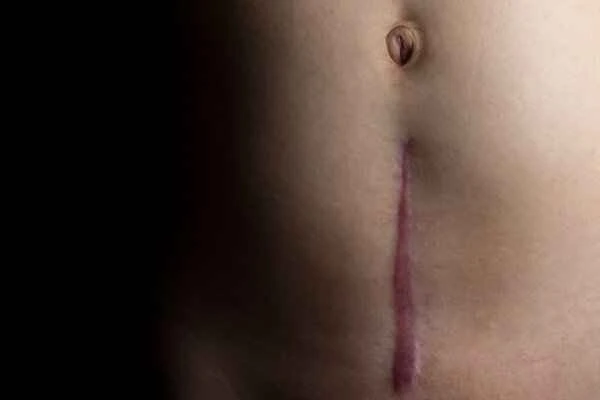
Hypertrophic scars are overgrown scars that form after skin injury has healed. They go through different stages of development during the healing process and have unique characteristics.
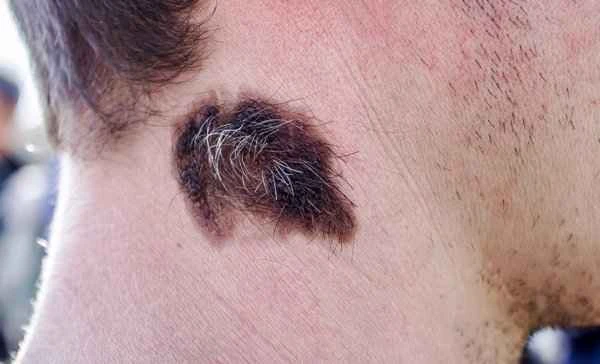
The importance of hypertrophic scars lies in the fact that they not only affect appearance but can also cause discomfort and even functional impairment. Understanding their development stages and characteristics helps in timely detection and intervention to avoid or mitigate their negative impacts.
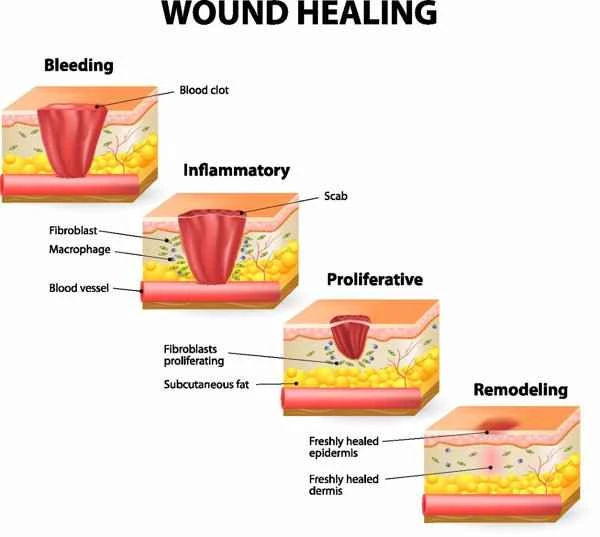
The development of hypertrophic scars can be divided into several stages. Initially, the scar is red or purple, firm in texture, and accompanied by mild itching or pain. Over time, the scar color gradually fades, and the texture softens, but it remains raised above the surrounding skin. In the mature stage, the scar color approaches normal skin tone, the texture stabilizes, and the itching and pain lessen, but the size and shape of the scar may have already become fixed.
When understanding and applying information about hypertrophic scars, it's important to recognize that these characteristics are dynamic and require regular observation and evaluation. Furthermore, any treatment should be administered under the guidance of a professional physician to avoid the risks associated with self-treatment. A correct understanding of the developmental characteristics of hypertrophic scars can help patients and doctors better develop treatment plans and improve the appearance and function of the scar.
【Useful Tips:】
1. Carefully observe changes in the color, texture, and height of the scar, record them promptly, and report them to your doctor.
2. Avoid subjecting hypertrophic scars to strong physical stimulation, such as rubbing or pulling.
3. Under the guidance of a doctor, use appropriate medications or physical therapy methods, such as silicone pads or pressure therapy.
4. Have regular follow-up visits and adjust the treatment plan according to the doctor's advice.