The severity of a scar depends primarily on its size, location, shape, and whether it is accompanied by functional impairment or complications. A scar is considered severe if it exhibits abnormal growth, infection, or affects vital bodily functions.
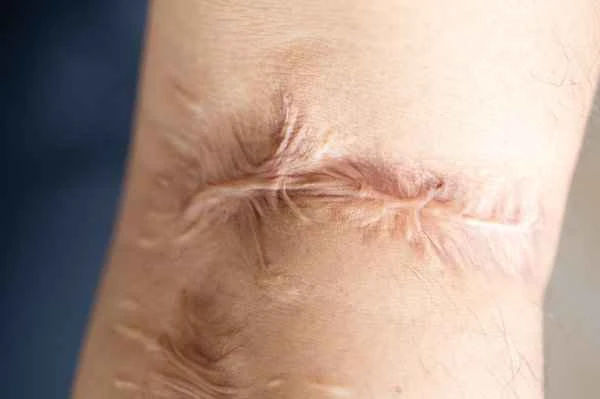
A prominent characteristic of severe scars is their abnormal proliferation, such as keloids or keloids. In these cases, the scar extends beyond the original wound and may even continue to grow, causing pain, itching, or tenderness. If a scar appears in a critical area such as a joint or face, it may affect joint mobility or facial appearance, thus placing a significant psychological and physiological burden on the patient. If a scar becomes infected, such as with redness, swelling, fever, or pus discharge, it indicates a bacterial infection at the scar site and requires prompt treatment; otherwise, it may lead to a more serious spread of the infection.

When assessing the severity of a scar, it's important to be aware of some key warning signs. Severe pain, significant redness and swelling, persistent bleeding, or increased discharge from the scar can all be signs of scar complications, requiring immediate medical attention. The severity of a scar often varies from person to person; the same scar may present different symptoms and effects in different individuals, so generalizations cannot be made.
[Prevention Tips:]
1. Keep the wound clean to prevent infection.
2. After the wound heals, provide timely and appropriate care, such as using anti-scarring products.
3. Pay attention to a healthy diet and avoid foods that may cause allergic reactions.
4. Regularly observe the wound healing process, and seek medical attention promptly if any abnormalities are found.