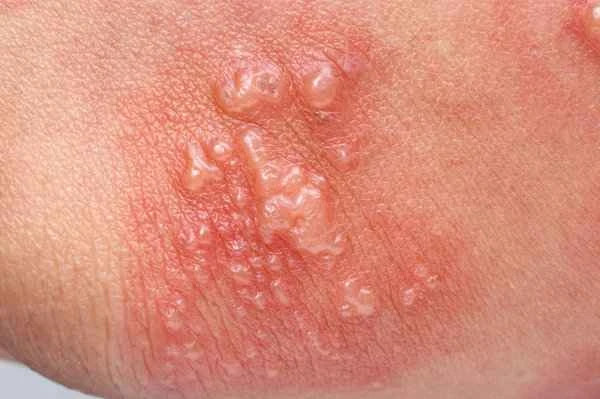
Facelift scar removal refers to the process of reducing or eliminating scars left after surgery through a series of medical procedures. The process involves multiple treatment methods, each with its specific mechanism of action and applicable conditions.
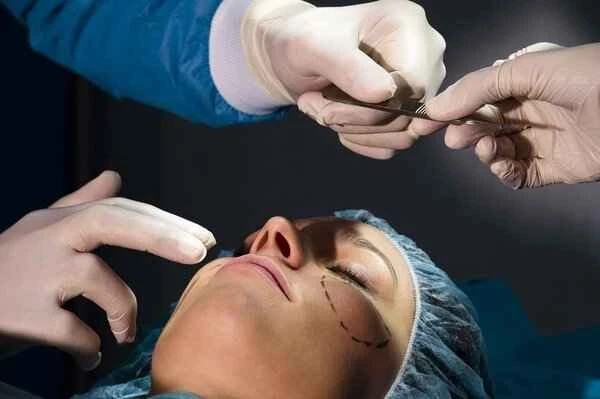
The key to removing facelift scars lies in promoting the skin's natural healing process while reducing scar tissue formation. This can be achieved through various methods, including physical therapy, medication, and surgical intervention. Physical therapies include laser treatment, microneedling, and cryotherapy, which promote skin cell regeneration and reduce scar formation. Medication includes topical medications such as silicone sheets, steroid creams, and oral medications, which reduce inflammation and promote skin healing. In some cases, if the scar is severe, surgery may be necessary to remove the scar tissue and promote the growth of new skin tissue.
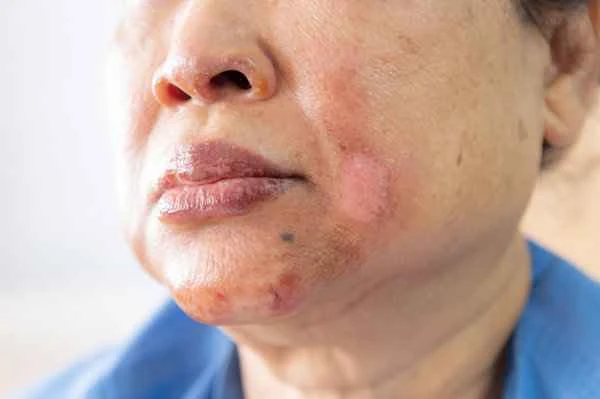
There are some common misconceptions and risks associated with treating facelift scars. Many people believe that all scars can be completely removed, but in reality, the degree of scar removal is influenced by various factors, including individual differences, the type and location of the scar. Some patients may over-rely on a single treatment method, neglecting the importance of comprehensive treatment. Complications such as infection and hyperpigmentation may occur during treatment; therefore, these potential risks need to be fully considered when choosing a treatment method, and treatment should be carried out under the guidance of a professional physician.
[Management Tip:]
1. Have regular skin checkups to detect and treat new scars promptly.
2. Choose appropriate treatment methods based on your doctor's advice, and avoid blindly trying unproven methods.
3. Pay attention to postoperative care, keep the wound clean, and avoid infection.
4. During treatment, pay attention to changes in the skin. If any abnormalities occur, seek medical attention promptly.