Medications for treating scars mainly include silicone products, corticosteroids, and certain topical medications. These medications work through different mechanisms to reduce the redness, swelling, hardness, and size of scars.
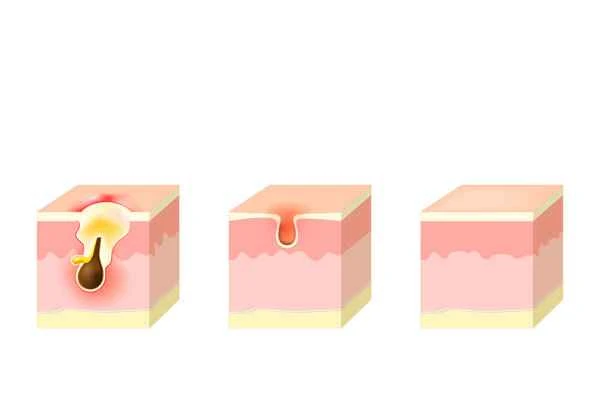
Silicone-based products are a common choice for treating scars. They form a protective film that helps keep the scar area moist, promoting softening and remodeling of the scar tissue. Corticosteroids are effective anti-inflammatory drugs that reduce redness and pain by suppressing the inflammatory response. There are also topical medications, such as 5-fluorouracil, used to treat hypertrophic scars and keloids; they reduce the size and hardness of scars by inhibiting cell proliferation.
The choice of medication for scar treatment depends on the type and location of the scar, as well as the individual's circumstances. It is recommended to consult a dermatologist before using any medication to ensure the most suitable treatment plan is chosen. Medication treatment is often combined with other therapies, such as pressure therapy or laser therapy, to achieve the best therapeutic effect.
[Management Tip:]
1. Consult a dermatologist before using any medication.
2. Use the medication regularly as directed by your doctor and carefully observe any changes in the scar.
3. Combine with other treatment methods, such as pressure therapy or laser therapy, to improve treatment effectiveness.