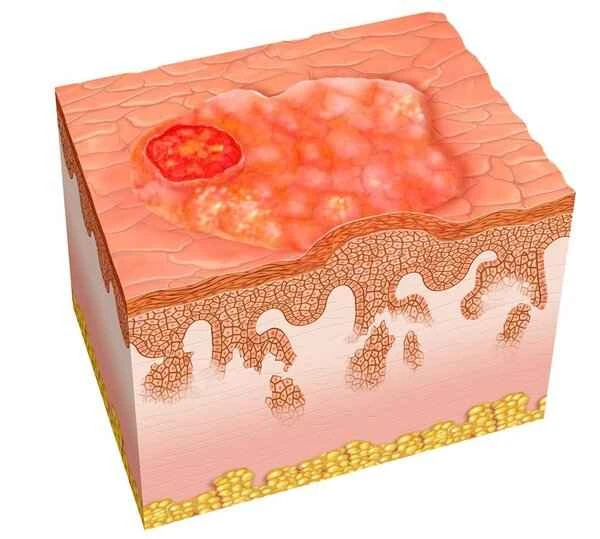
Vulvar seborrheic keratosis is a common skin condition characterized by thickened, darkened patches of skin on the vulva. The significance of this condition lies in the fact that it not only affects the patient's appearance but can also cause discomfort and even impact their mental health.
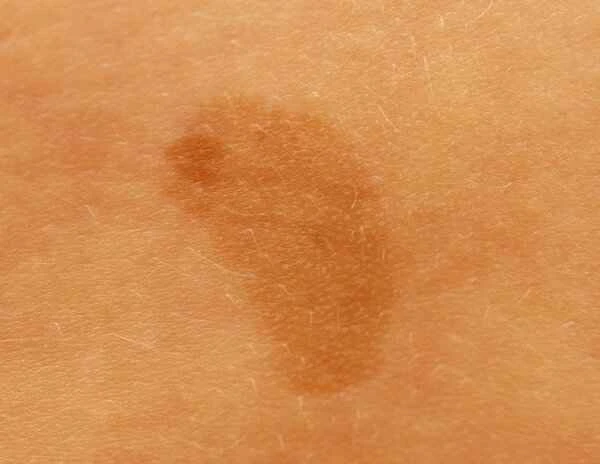
Vulvar seborrheic keratosis is usually associated with skin aging, excessive sebum secretion, and prolonged friction. When the skin is subjected to prolonged irritation or friction, skin cells may proliferate excessively, forming hyperkeratotic plaques. This condition is more common in middle-aged and elderly people, especially postmenopausal women.
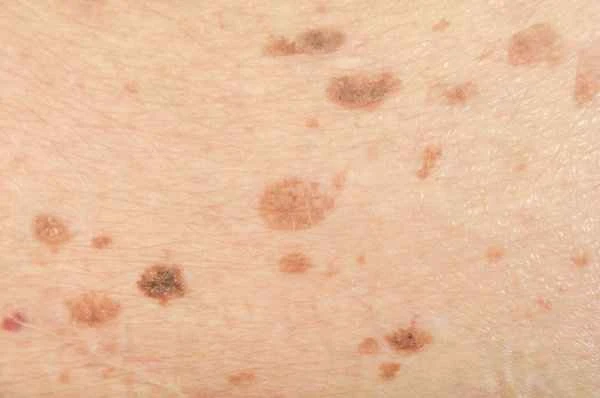
Examination for vulvar seborrheic keratosis typically involves a skin examination to assess the size, color, and texture of the plaques. The doctor may then provide treatment recommendations based on the specific condition of the plaques, including medication and physical therapy. It's important to note that while this condition itself is not a serious health problem, unmanaged cases can lead to worsening symptoms and impact a patient's quality of life. Timely medical attention and adherence to the doctor's treatment plan are crucial.
【Useful Tips】
1. Keep the vulva clean and dry, and avoid using harsh cleaning products.
2. Have regular skin checkups to detect and address any abnormal changes promptly.
3. Follow your doctor's advice and use medications or receive physical therapy as appropriate.
4. Pay attention to a healthy diet, avoid excessive oil intake, and maintain good lifestyle habits.