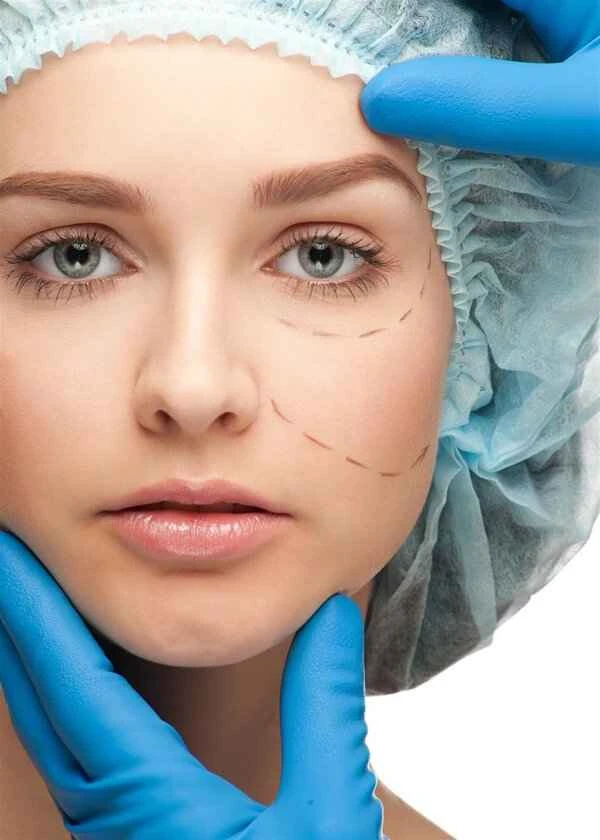
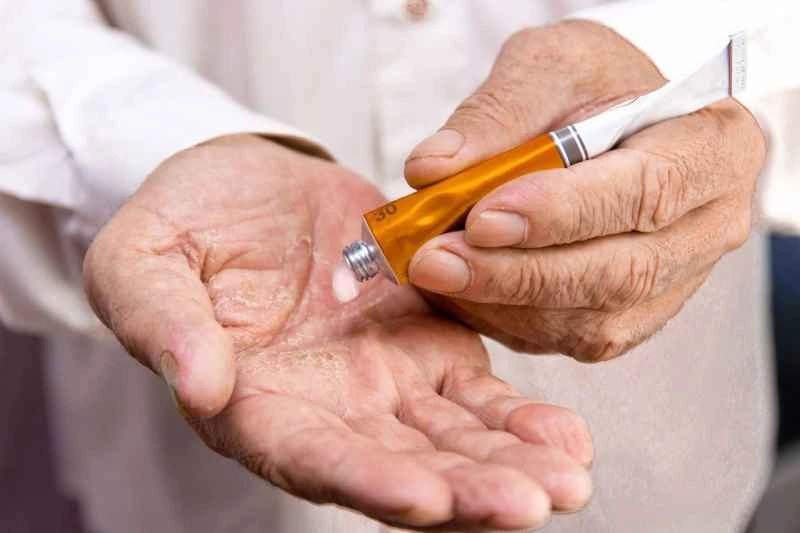
Keloid-prone constitution refers to a condition where the body experiences abnormal proliferation of scar tissue during the healing process after injury. In this constitution, the skin tissue overreacts during wound healing, leading to abnormal scar growth and the formation of scars or keloids.
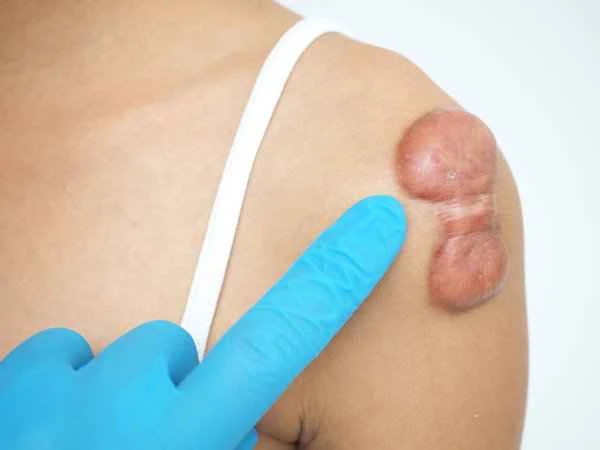
Understanding the importance of keloid-prone constitution is crucial because it can help us better prevent and treat abnormal scars caused by trauma, surgery, or disease. Early identification and intervention can effectively reduce discomfort and functional impairment caused by scars, improving patients' quality of life.
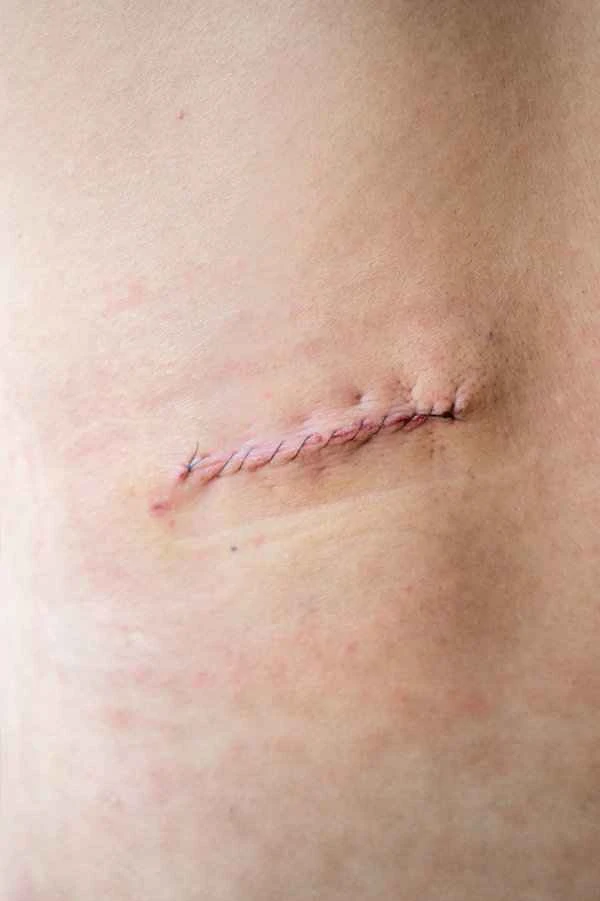
The formation mechanism of a predisposition to keloid scarring is related to multiple factors, including individual genetics, immune response, and inflammatory responses during wound healing. Under normal circumstances, the skin forms appropriate scar tissue during the healing process to aid wound healing and protect the body. However, in individuals with a predisposition to keloid scarring, their skin produces excessive collagen during healing, leading to overgrowth and the formation of scars or keloids. This overreaction may be related to a variety of factors, including genetics, hormone levels, and the immune system's response.
Having understood the nature and characteristics of a predisposition to keloid scarring, we should objectively view its limitations. While various medical methods exist for preventing and treating abnormal scars, each individual's situation is unique, resulting in varying treatment outcomes. Side effects or complications may occur during treatment; therefore, patients should fully communicate with their doctors before treatment to understand all possible risks and consequences. When following a doctor's advice, the most crucial point to remember is to avoid self-medicating or trying unproven treatments to prevent unnecessary harm.
【Useful Tips:】
1. Clean the wound promptly after injury to prevent infection and reduce the risk of scarring.
2. For people with a tendency to form keloids, products such as silicone sheets or gels can be used to help control excessive scar growth.
3. Have regular skin checkups, especially for people with a family history of skin conditions, to detect and treat any abnormal scars promptly.
4. Follow your doctor's advice and choose the appropriate treatment method based on your individual circumstances, such as laser therapy or stress therapy.