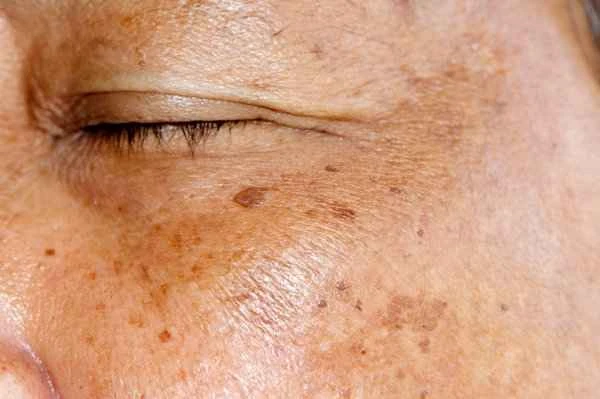
Whether or not scars will remain after seborrheic dermatitis ulceration depends on the severity of the wound and whether the treatment is timely.
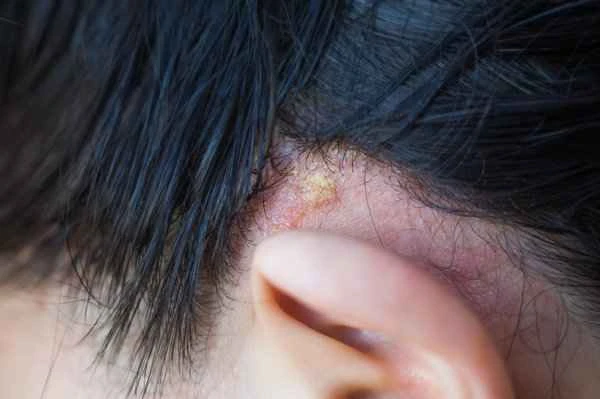
Seborrheic dermatitis is a common skin condition that typically occurs on areas with high sebum production, such as the scalp, face, and chest. When this inflammation leads to skin ulceration, scarring may occur during the healing process. Skin healing is a complex process involving multiple stages, including inflammatory response, cell proliferation, and tissue remodeling. If the ulceration area is large and treatment is delayed, excessive collagen production during healing may lead to scarring. Conversely, timely treatment that effectively controls inflammation and promotes normal skin healing can reduce the likelihood of scarring.
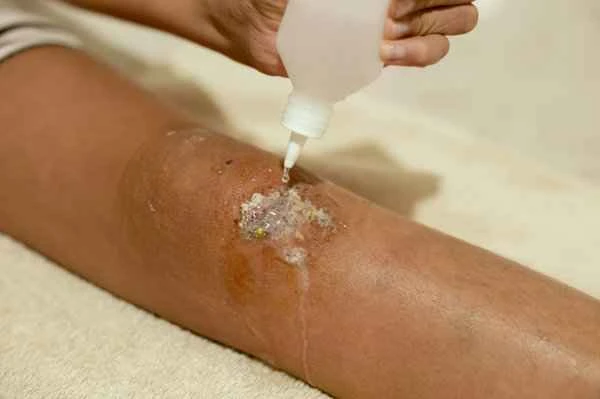
When treating seborrheic dermatitis ulcers, in addition to timely medical attention and proper medication, it's crucial to avoid some common misconceptions. For example, some patients may believe that using potent steroid creams can provide a rapid cure, but in reality, overuse of steroid creams can lead to thinning of the skin, pigmentation, and other problems, actually increasing the risk of scarring. During treatment, it's essential to follow your doctor's instructions, use medication appropriately, and pay attention to daily skin care to avoid irritation and infection, thus promoting normal skin healing.
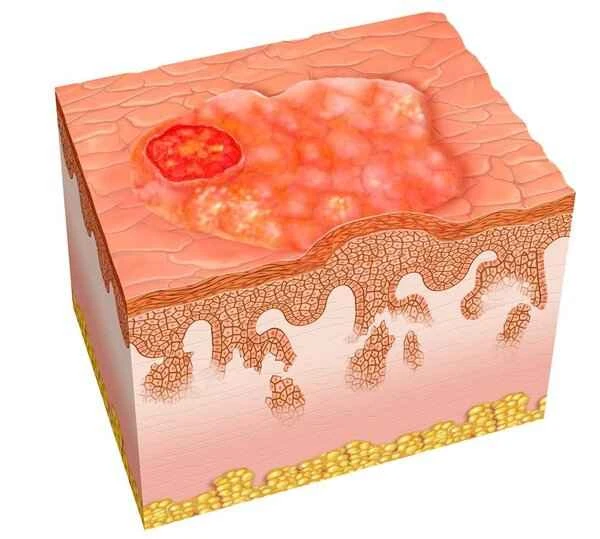
[Management Tip:]
1. Seek medical attention promptly and follow the doctor's instructions for treatment.
2. Pay attention to daily skin care and avoid skin irritation.
3. Maintain healthy lifestyle habits to boost your body's immunity.