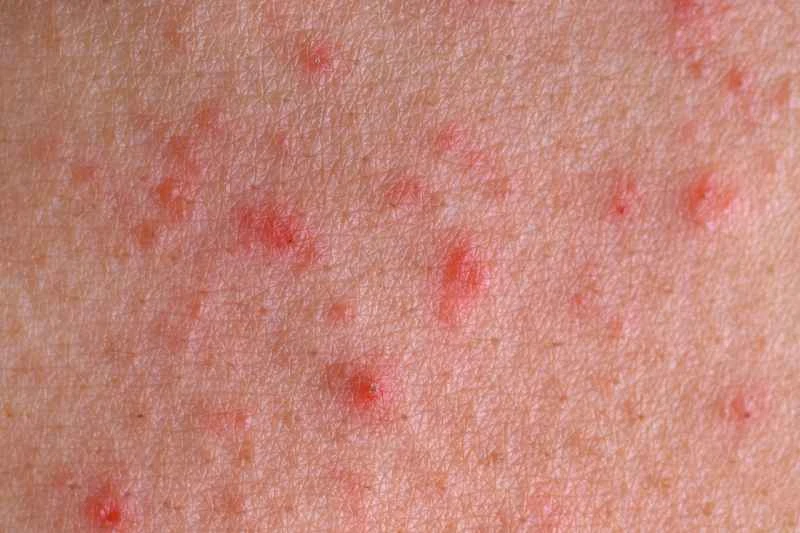
The treatment of patchy scar adhesions mainly involves surgical and non-surgical methods to loosen the scar tissue and restore normal tissue structure and function.
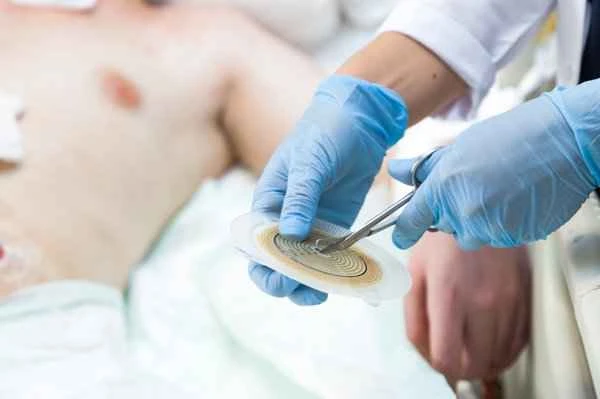
Patchy scar adhesions are a common type of scar, usually caused by excessive collagen deposition during the skin's wound healing process. The main goal of treating patchy scar adhesions is to release the adhesions, reduce pain and discomfort, and restore normal skin function. Non-surgical treatments include physical therapy, medication, and injection therapy, which can promote the softening and absorption of scar tissue and reduce the degree of adhesion. Surgical treatment is suitable for severe scar adhesions, involving the direct removal of scar tissue to release the adhesions and restore normal skin structure. While surgical treatment is highly effective, it also carries certain risks, including infection, bleeding, and scar recurrence. When choosing a treatment option, it is necessary to comprehensively consider the severity and location of the scar, the patient's overall health, and the risk-benefit ratio of the treatment.
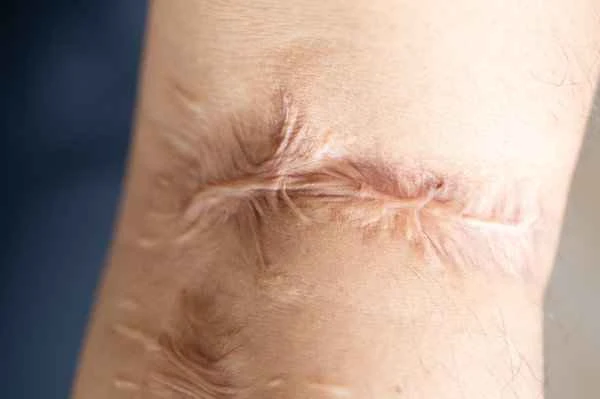
When treating patchy scar adhesions, it's important to note that while non-surgical treatments are relatively safe, their effectiveness may not be as significant as surgical treatments. When choosing a treatment option, it's necessary to comprehensively consider the severity and location of the scar, the patient's overall health, and the risk-benefit ratio of the treatment.
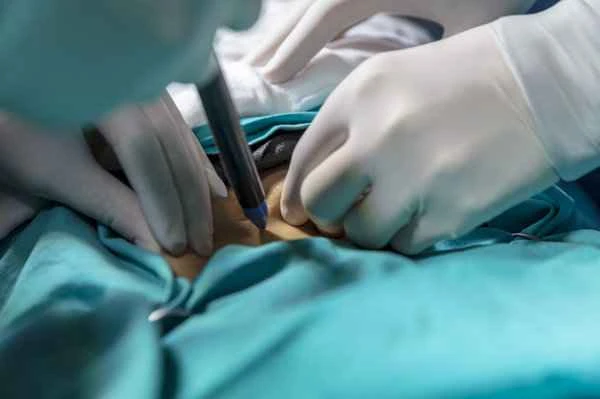
[Management Tip:]
1. Conduct regular scar assessments to monitor scar changes.
2. Use medication as prescribed by your doctor and avoid self-medication.
3. Maintain good lifestyle habits and avoid overwork.
4. If any unusual symptoms occur, such as severe pain or signs of infection, seek medical attention promptly.