Urticaria can be relieved by controlling symptoms with medication and identifying triggers. It is recommended to seek medical attention promptly and receive standardized treatment under the guidance of a doctor.
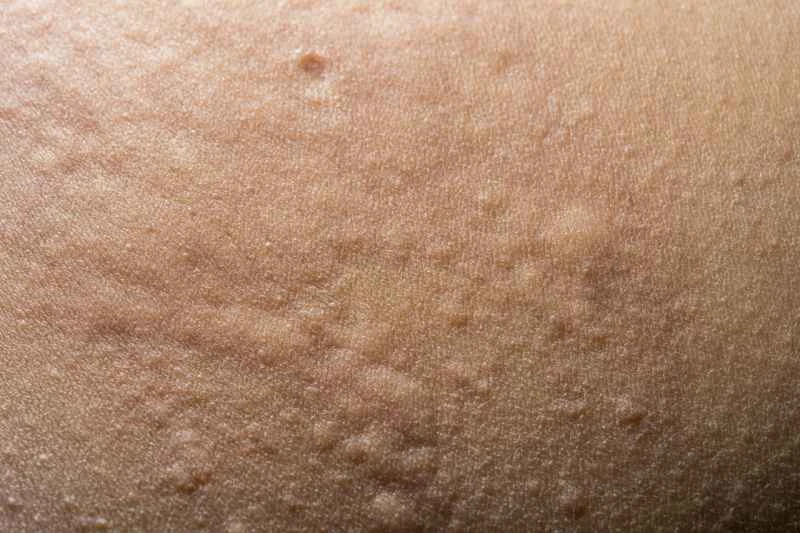
1. Use antihistamines: Oral antihistamines are a common way to relieve itching and hives. Specific medication should be taken as prescribed by a doctor; avoid adjusting the dosage on your own.
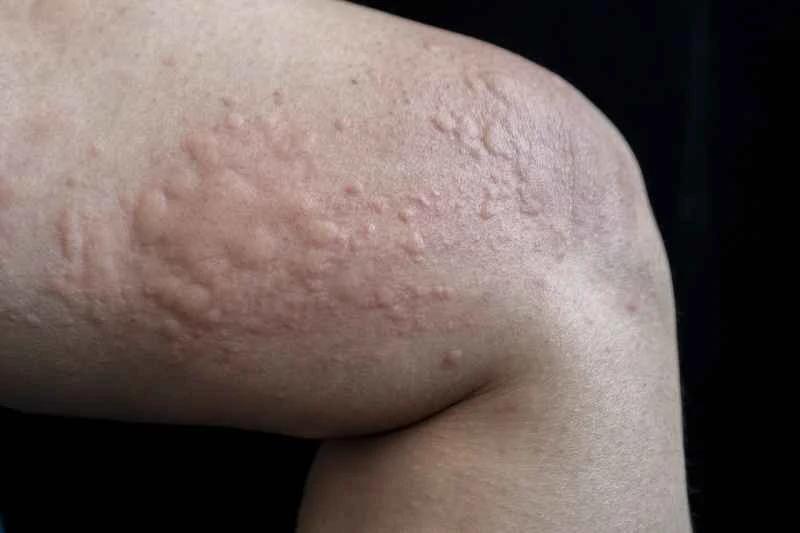
2. Identify triggering factors: Record changes in diet, contact with objects, or environment to help identify possible causes, such as food, pollen, or stress. Reducing exposure can help control seizures.
3. Pay attention to daily care: Wear loose cotton clothing and avoid scratching your skin; the water temperature should not be too high when bathing, use less irritating washing and care products, and keep your skin clean and moisturized.
4. Seek medical evaluation promptly: If the rash recurs or is accompanied by discomfort such as difficulty breathing, seek medical attention as soon as possible. The doctor may adjust the treatment plan according to the situation.
Maintaining a regular sleep schedule and engaging in moderate exercise to improve physical fitness are important. During treatment, patiently following the doctor's instructions will effectively improve most symptoms.