Abnormal keratinization of cells around hair follicles refers to abnormal keratinization of skin cells surrounding hair follicles. This abnormality may manifest as symptoms such as rough skin, flaking, and erythema, and is a form of skin health problem.
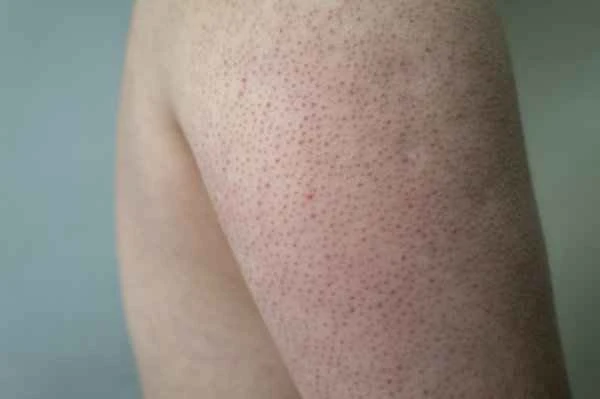
The importance of perifollicular keratinization lies in the fact that it not only affects the appearance of the skin but may also reflect the body's internal health. Understanding and managing this abnormality helps maintain healthy skin and prevent more serious skin diseases. Identifying and treating perifollicular keratinization abnormalities is crucial for maintaining good skin condition.
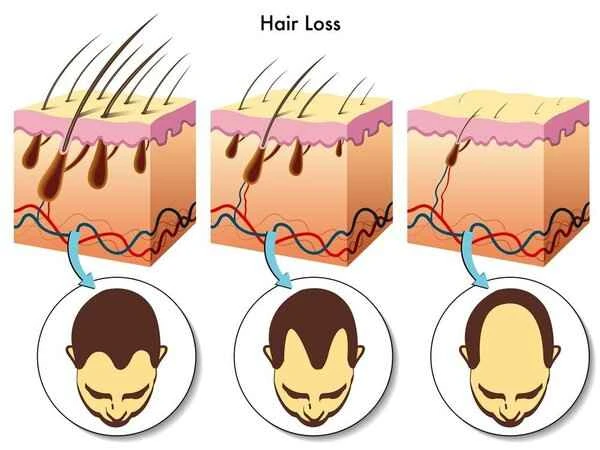
The formation of abnormal keratinization around hair follicles can be related to a variety of factors, including genetics, environmental factors, and skin care habits. For example, genetic factors may make some people more susceptible to this abnormality; environmental factors such as dry climate and ultraviolet radiation may also induce or aggravate symptoms; and improper skin care, such as over-cleansing or the use of irritating cosmetics, may also lead to abnormal keratinization. These factors ultimately cause abnormal keratinization by affecting the normal growth and differentiation process of skin cells.
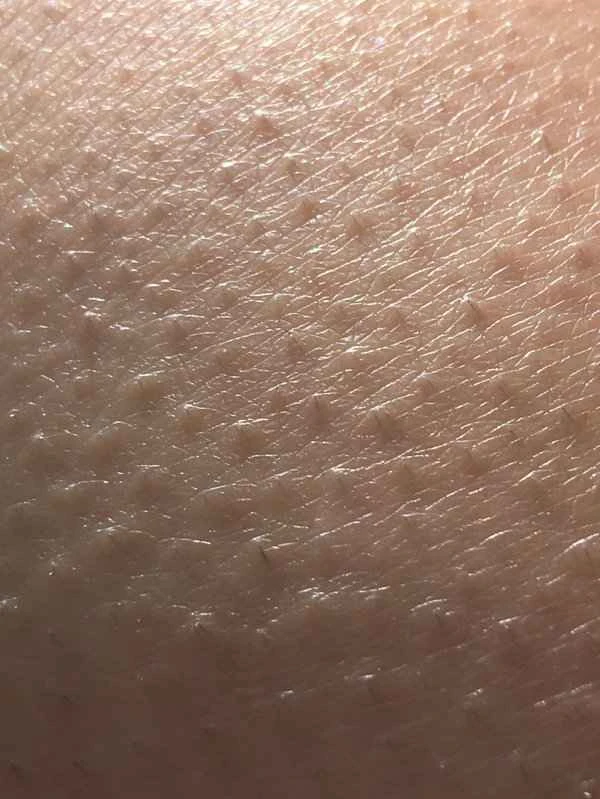
When understanding and treating perifollicular keratosis, it's important to interpret examination results objectively. Dermatologists may assess the degree of keratosis using methods such as dermoscopy and skin biopsy. While the results typically reflect the severity of the abnormality, it's crucial to understand that these results do not fully reflect an individual's overall health. When following a doctor's advice, it's essential to avoid the pitfalls of overtreatment or ignoring other potential health issues. Maintaining healthy lifestyle habits and proper skincare is also vital for preventing and improving perifollicular keratosis.
【Useful Tips:】
1. Keep your skin clean and avoid using harsh cleansing products.
2. Use moisturizing products to keep skin hydrated and reduce dryness and flaking.
3. Pay attention to a balanced diet and increase your intake of foods rich in vitamins A and E, which will help improve your skin condition.
4. Have regular skin checkups to detect and treat abnormal keratinization of cells around hair follicles in a timely manner.