Iodine solution is a commonly used disinfectant, but it is not suitable for treating seborrheic dermatitis. Iodine solution's main function is sterilization and disinfection, while seborrheic dermatitis is a common skin condition characterized by excessive sebum secretion, leading to symptoms such as redness, swelling, and scaling. This condition is related to multiple factors, including genetics, environment, and skin microbiota. Treatment for seborrheic dermatitis requires targeted therapy, rather than simply disinfection.
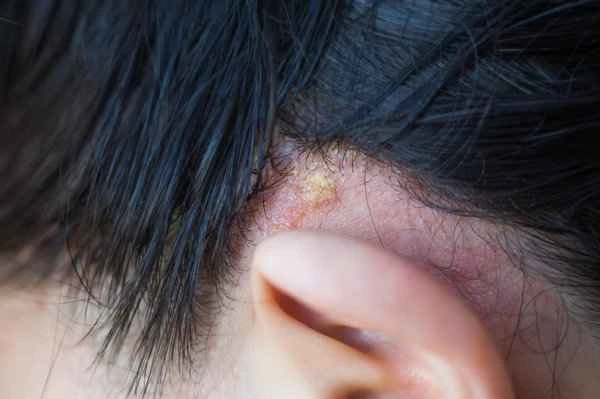
While iodine solution can kill some bacteria on the skin's surface, it doesn't directly address the underlying cause of seborrheic dermatitis. Treatment for seborrheic dermatitis typically requires a comprehensive approach, considering medication, lifestyle adjustments, and skincare. For example, doctors may prescribe topical or oral medications to regulate sebum production, while also advising patients to maintain a healthy diet and good personal hygiene. These combined measures are necessary to effectively alleviate the symptoms of seborrheic dermatitis.
While povidone-iodine can be used for skin disinfection, it is not a suitable treatment for seborrheic dermatitis. If patients self-medicate with povidone-iodine, it may cause adverse reactions such as skin irritation and allergies, and could even worsen the condition. The correct approach to seborrheic dermatitis is to seek medical attention promptly so that a professional doctor can develop a suitable treatment plan based on the specific condition.
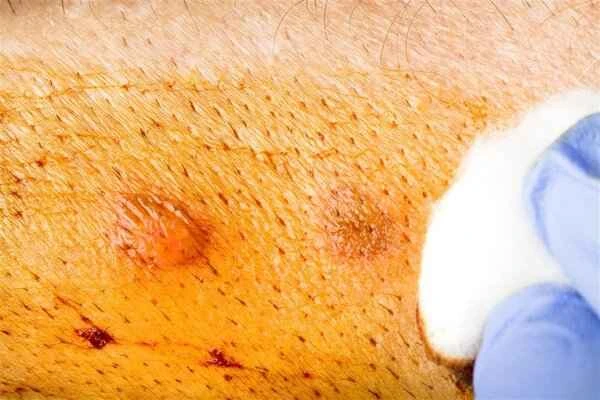
[Management Tip:]
1. Seek medical attention promptly and follow your doctor's treatment recommendations.
2. Pay attention to personal hygiene and keep your skin clean.
3. Adjust your diet and avoid eating overly greasy foods.
4. Monitor skin condition regularly and adjust treatment plans accordingly.