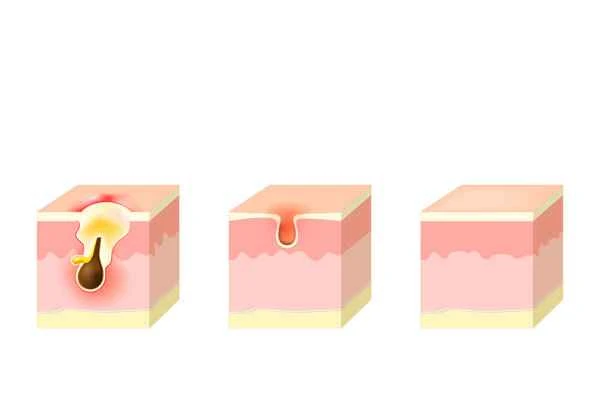
In simple terms, brain scarring is the formation of scar tissue in the brain as it repairs damage.
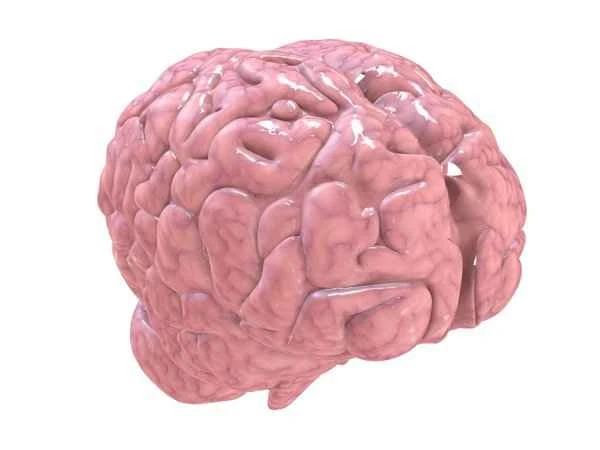
Brain scarring is a form of self-repair for the brain. While protecting the brain from further damage, it also affects the recovery of brain function. Understanding the mechanisms of brain scar formation helps us better understand the recovery process after brain injury, thus enabling us to take more effective treatment measures.
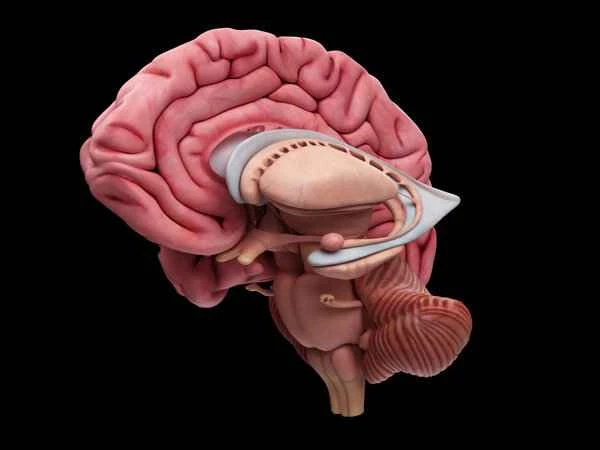
Brain scarring typically occurs after brain injury such as trauma, inflammation, or ischemia. In these cases, brain tissue undergoes a complex repair process. Damaged nerve cells die, leading to localized brain tissue destruction. Subsequently, the brain initiates repair mechanisms, releasing inflammatory factors to attract immune cells to the damaged area and clear away debris from dead cells. Next, fibroblasts migrate to the damaged area, producing collagen to form scar tissue. While this scar tissue helps stabilize the damaged area, it does not restore the function of damaged nerve cells and may even hinder the normal transmission of nerve signals, affecting the brain's functional recovery.
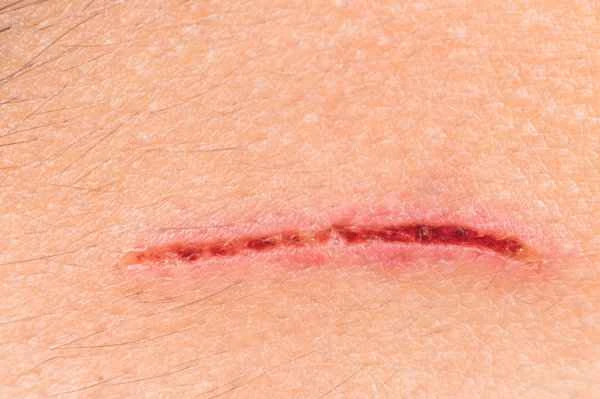
Having understood the formation of brain scars, we should recognize that while scar tissue helps stabilize the damaged area, it can also limit the recovery of brain function. Treatment requires a comprehensive consideration of various factors, such as the severity of the injury and the extent of the scar tissue, to develop the most suitable treatment plan for the patient. Furthermore, we must acknowledge that scar tissue formation is a complex process, and its specific mechanisms require further investigation. Therefore, when receiving specific medical advice, we should follow the guidance of a professional physician.
【Useful Tips:】
1. Maintain a healthy lifestyle, such as a balanced diet and moderate exercise, to reduce the risk of brain damage.
2. Seek medical attention promptly after a head injury to assess and treat any potential brain damage as early as possible.
3. Actively participate in rehabilitation training, such as physical therapy and cognitive training, to promote the recovery of brain function.
4. Have regular brain health checkups to detect and treat potential brain scarring problems early.