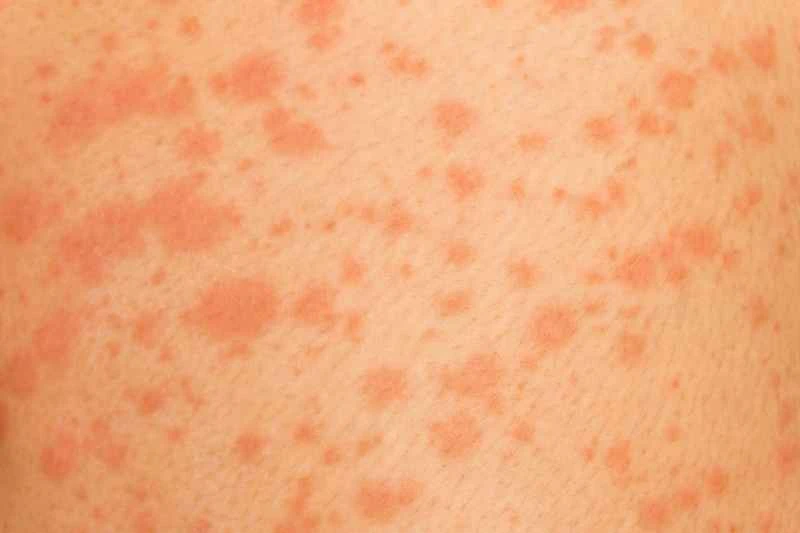
The specific number of tests required for skin allergy testing varies depending on the hospital and the testing method. The purpose of this test is to help doctors accurately identify the specific causes of a patient's skin allergies, thereby providing more effective treatment options.

By identifying allergens, doctors can better understand which substances, such as food, medications, and environmental factors, are causing a patient's skin reaction. This not only helps patients avoid contact with these allergens but also guides doctors in choosing appropriate medications to prevent allergic reactions and improve treatment effectiveness.

In practice, allergy testing typically includes methods such as skin prick tests and blood tests. Skin prick tests involve applying extracts of different allergens to the skin, then gently pricking the skin with a special needle to observe the skin's reaction. Blood tests involve drawing a blood sample from the patient and measuring the level of specific immunoglobulin E (IgE) in the blood to determine if the patient is allergic to a certain substance. Each of these methods has its advantages and disadvantages, and doctors will choose the most appropriate method based on the patient's specific situation.

For test results, a high value usually indicates a strong reaction to the allergen. It's important to note that test results are only one factor to consider; a comprehensive judgment must be made in conjunction with the patient's clinical symptoms and other test results. Allergen testing also has limitations; for example, some allergens may not be accurately detected by current methods, and test results cannot completely replace a doctor's professional judgment. When using test results, patients should avoid self-diagnosis and treatment, and should instead follow their doctor's advice for further examination and treatment.
【Useful Tips:】
1. Choose a reputable medical institution for allergy testing to ensure the accuracy and reliability of the results.
2. Avoid contact with potential allergens before testing to prevent affecting the test results.
3. Combine clinical symptoms with other test results to comprehensively determine the significance of allergen test results.
4. Follow your doctor's professional advice for further examination and treatment, and avoid self-diagnosis and treatment.