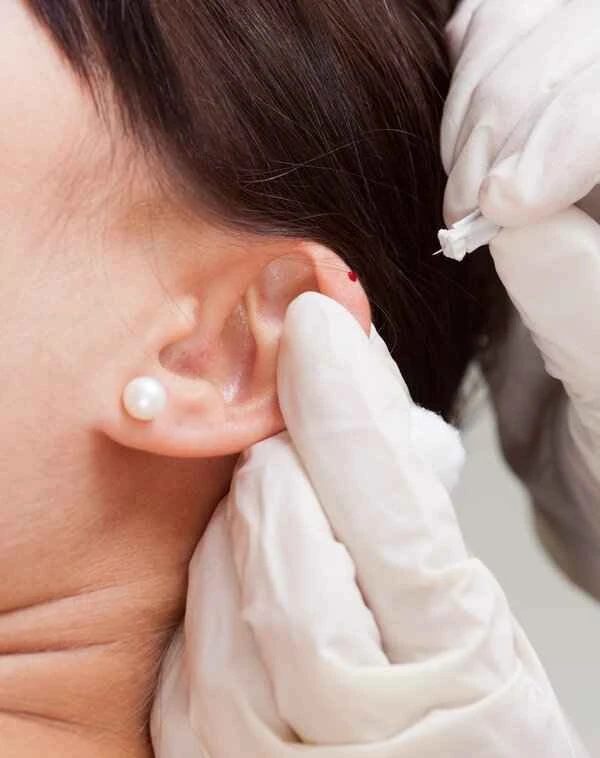
Treatment for nail psoriasis requires a comprehensive approach under the guidance of a doctor, tailored to individual circumstances. It typically involves a combination of topical care, medication, and lifestyle modifications. Common approaches are outlined below:
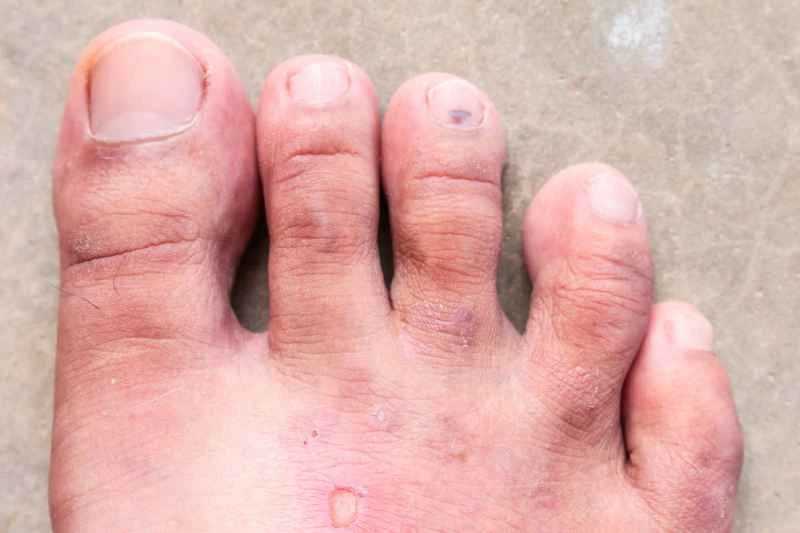
1. Local care and medication: Keep nails clean and dry daily. You can use topical ointments as prescribed by your doctor, such as preparations containing vitamin D or steroids, to help relieve problems such as thickened nails and pitted nails.
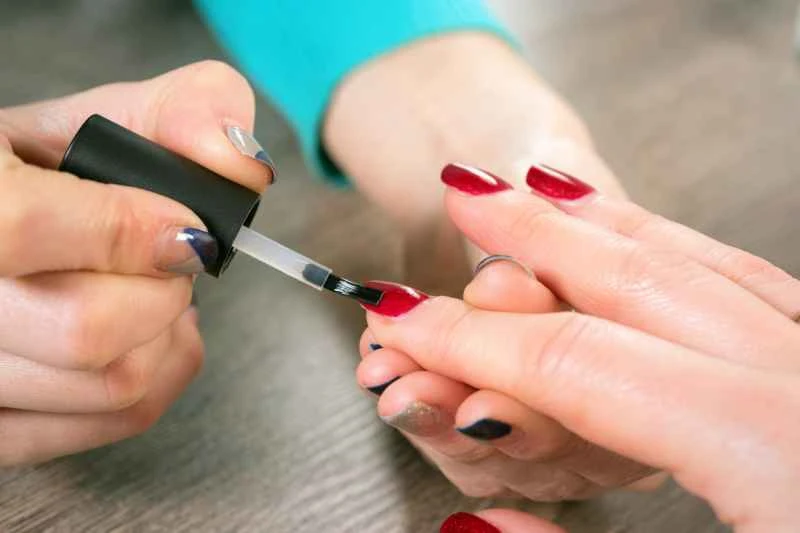
2. Systemic treatment: If symptoms are severe, doctors may recommend oral medications or biologics. These methods control the progression of the disease by modulating the immune response, but the effectiveness and safety need to be evaluated regularly.
3. Adjunctive therapies: Phototherapy may be effective in some patients, using specific ultraviolet light to alleviate symptoms. At the same time, avoid nail injury or over-trimming to reduce irritation.
It is recommended that you first consult a dermatologist for a professional diagnosis. The doctor will develop a personalized treatment plan based on the extent of nail damage and your overall health. During treatment, be patient, have regular follow-up appointments and record any changes. Adopting a healthy diet and managing stress will help you better manage your symptoms.