Phototherapy can be used to treat scars by applying specific wavelengths of light to scar tissue to promote its healing. The basic principle of phototherapy for scar treatment lies in using specific wavelengths of light, such as red or near-infrared light, to stimulate cell activity in scar tissue, promote blood circulation, and reduce inflammation, thereby improving scar appearance. These rays can penetrate the skin and act on scar tissue, promoting collagen synthesis and remodeling, thus improving the appearance and texture of the scar. Phototherapy can also reduce excessive collagen deposition by inhibiting fibroblast activity in scar tissue, thereby reducing scar hyperplasia. These mechanisms work together to make phototherapy an effective means of treating scars.
When undergoing phototherapy for scars, patients need to be aware of the potential risks and common misconceptions. Phototherapy is not suitable for all types of scars, such as hypertrophic scars or keloids, for which its effectiveness may be limited. Strict control of light intensity and exposure time is necessary during treatment to avoid skin damage. Phototherapy often needs to be used in combination with other treatments, such as topical medication or pressure therapy, to achieve optimal results. Patients should fully understand the indications and potential risks of phototherapy before choosing this treatment and should undergo treatment under the guidance of a professional physician.
[Management Tip:]
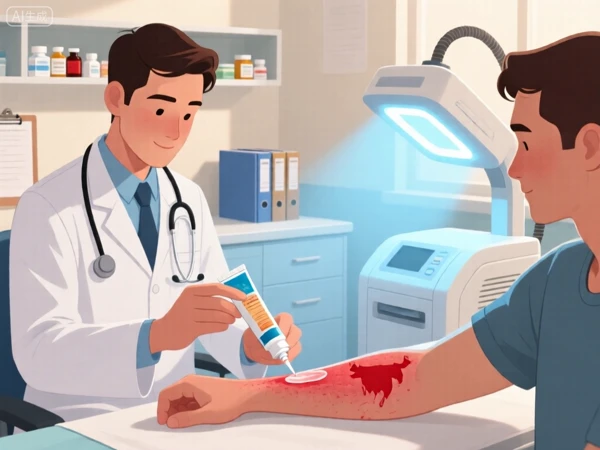
1. Before undergoing phototherapy, consult a professional doctor to understand the specific type of scar and the indications for treatment.
2. During treatment, strictly follow the doctor's instructions to control the intensity and duration of light exposure to avoid skin damage.
3. Phototherapy usually needs to be used in combination with other treatments, such as topical medication or pressure therapy, to achieve the best results.