Suturing wounds to reduce scar formation essentially involves promoting wound healing through meticulous surgical techniques and appropriate suture materials, while minimizing scarring.
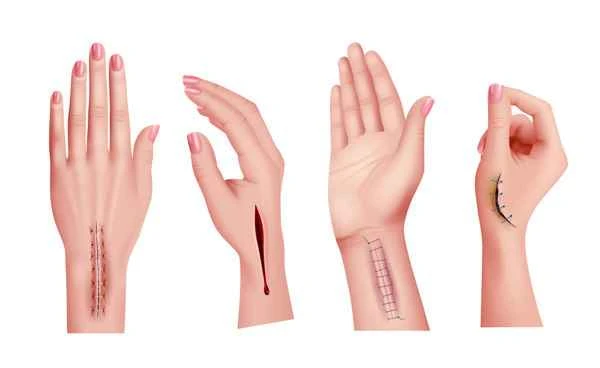
The key to minimizing scarring when suturing wounds lies in choosing the right suturing technique and materials. Selecting the right suture is crucial; absorbable sutures such as polylactic acid (PLA) or polyglycolic acid (PEG) are generally recommended. These materials gradually degrade within the body, reducing foreign body reactions and helping to reduce scarring. The choice of suturing technique is also critical. Precise suturing reduces wound tension, promotes healing, and minimizes scarring. For example, interrupted or continuous suturing techniques ensure tightly aligned wound edges, promoting proper tissue healing. Keeping the wound clean and properly bandaging are also important factors in reducing scarring, as they help prevent infection and promote wound healing.
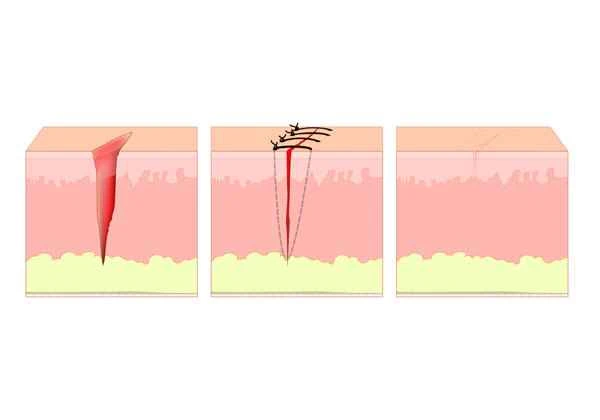
When managing wound suturing, it's crucial to recognize that scar formation remains a complex biological process influenced by numerous factors, including an individual's genetic background, the location and size of the wound, and the inflammatory response during healing. While meticulous suturing techniques and the selection of appropriate suture materials can significantly reduce scarring, they cannot completely prevent it. In some cases, even with optimal suturing techniques, scarring may still occur. It's essential for both doctors and patients to understand that scar formation is a natural healing process, not solely a result of technical manipulation.
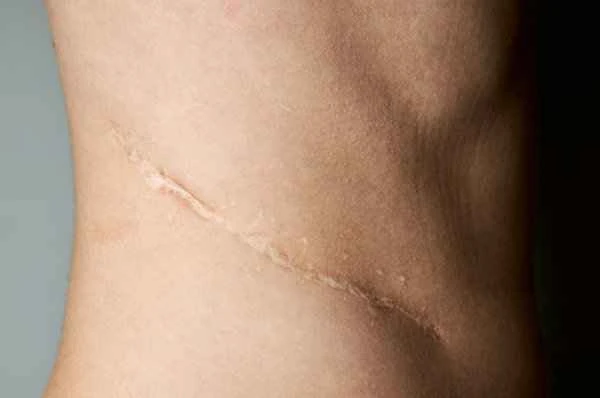
[Management Tip:]
1. Choose absorbable sutures, such as polylactic acid or polyglycolic acid, to reduce foreign body reactions.
2. Use fine suturing techniques, such as interrupted or continuous suturing, to reduce wound tension.
3. Keep the wound clean to prevent infection and promote healing.
4. After the wound has healed, scar repair products, such as silicone sheets or scar gels, can be used to further reduce scar formation.