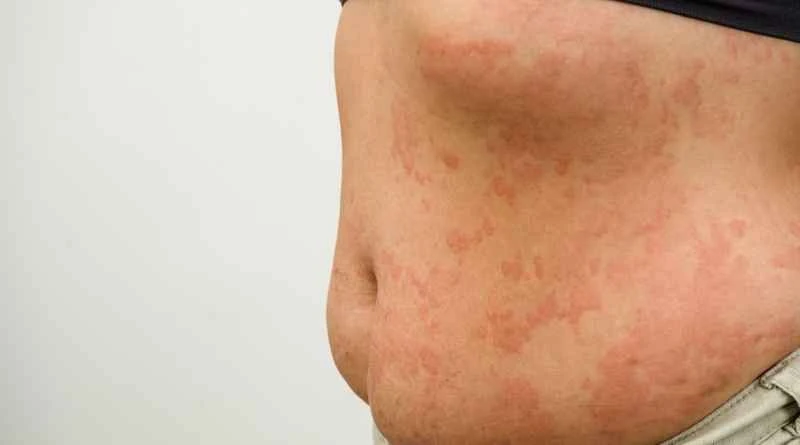
A specific scar repair plan refers to a series of medical methods and techniques used to improve or eliminate scars caused by trauma, surgery or other reasons.
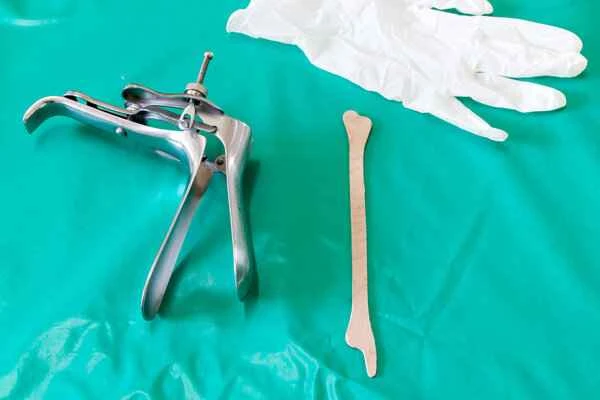
A typical scar repair plan includes multiple treatment methods, which can be used individually or in combination to achieve the best repair results. Drug therapy is one of the important means of scar repair, including topical and oral medications. Topical medications, such as silicone patches and vitamin E ointments, can help soften scars and reduce redness, swelling, and itching; oral medications, such as antihistamines, can reduce the inflammatory response of scars. Physical therapy is also an important part of scar repair, including pressure therapy, laser therapy, and cryotherapy. Pressure therapy, through wearing pressure garments or using pressure pads, can effectively reduce scar hyperplasia; laser therapy promotes scar tissue remodeling through the thermal effect of lasers; cryotherapy destroys scar tissue through low temperatures and promotes the regeneration of normal skin tissue. Surgical treatment is also an option for scar repair. For larger or more severe scars, surgical excision and skin grafting can be used for repair. These treatment methods work together to target scar tissue, thereby improving the appearance and function of scars.
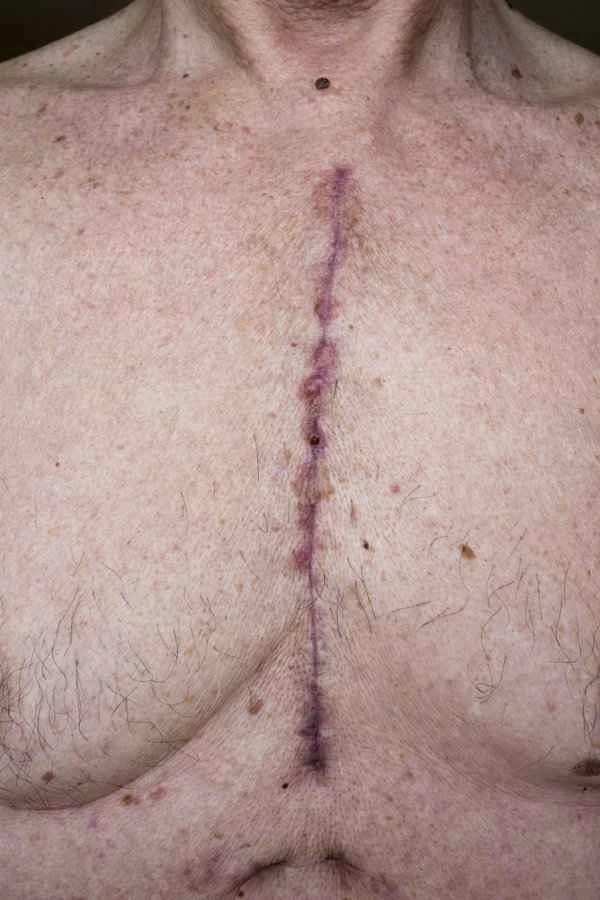
It's important to note that not all scars require treatment during the scar repair process. Minor scars may not affect bodily functions. Therefore, when developing a scar repair plan, it's necessary to comprehensively consider the size, location, shape of the scar, and its impact on the patient's quality of life. Scar repair is a long-term process that requires patience and confidence from the patient. It's also crucial to follow the doctor's instructions, have regular checkups, and adjust the treatment plan as needed.
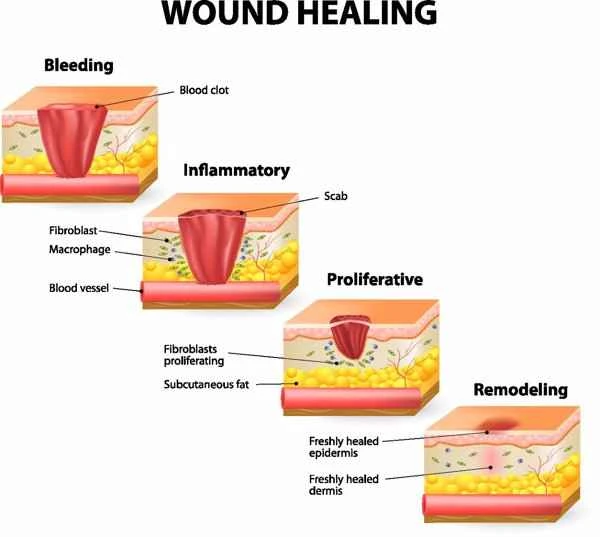
[Management Tip:]
1. Regular follow-up examinations to monitor changes in scarring.
2. Follow your doctor's instructions and use medications and physical therapy correctly.
3. Adjust your lifestyle habits to avoid irritating the scarred area.
4. If any abnormalities occur, such as a sudden increase in the size of the scar or increased pain, seek medical attention promptly.