Post-facelift scar nerve entrapment release refers to a series of medical procedures to relieve the pressure of scar tissue on nerves in order to restore nerve function. During the recovery process after a facelift, scar tissue may sometimes compress surrounding nerves, leading to symptoms such as pain, numbness, or motor dysfunction. In such cases, effective measures need to be taken to release the pressure of the scar tissue on the nerves to promote the recovery of nerve function.
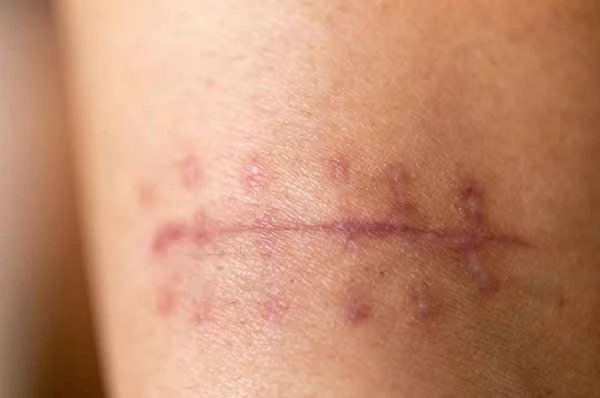
When addressing nerve compression caused by scar tissue after a facelift, it's crucial to first understand the nature of the scar tissue and its impact on the nerve. Scar tissue is a product of the body's post-operative repair process; it's composed of collagen fibers and possesses considerable hardness and resilience. When scar tissue compresses a nerve, it can lead to nerve compression, ischemia, or inflammation, causing symptoms such as pain, numbness, or motor dysfunction. Relieving nerve compression from scar tissue requires a comprehensive consideration of the nature of the scar tissue, nerve function, and the patient's overall health.
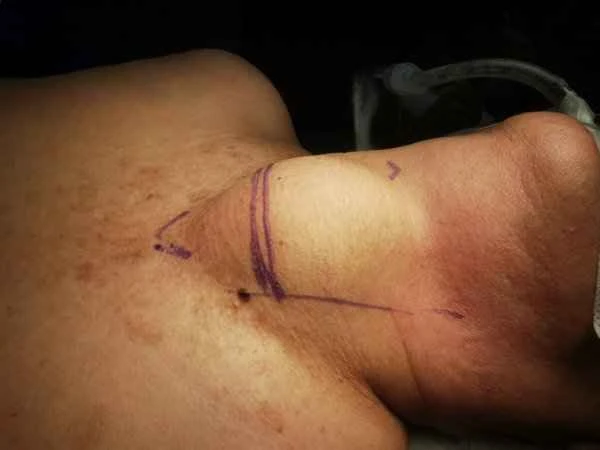
Post-facelift scar treatment for nerve compression typically involves a combination of medication, physical therapy, and surgery. Medication can reduce inflammation and promote nerve function recovery by using anti-inflammatory drugs and neurotrophic agents. Physical therapy uses massage, hot compresses, and cold compresses to relieve pain, promote blood circulation, and reduce the hardness of scar tissue. Surgical treatment is used when medication and physical therapy are ineffective, involving the surgical removal of scar tissue to relieve nerve compression. These treatment methods work together to promote nerve function recovery.

When addressing nerve compression caused by scar tissue after a facelift, it's crucial to understand that scar tissue formation is a complex process, and its impact on nerves varies from person to person. Treatment requires a comprehensive consideration of the patient's specific circumstances, including the nature of the scar tissue, nerve function, and the patient's overall health, to develop a personalized treatment plan. Close monitoring of the patient's symptoms and timely adjustments to the treatment plan are also essential to ensure optimal results.
[Management Tip:]
1. Regularly perform neurological function examinations to monitor the recovery of neurological function.
2. Maintain good lifestyle habits, avoid overwork, and get enough rest.
3. If symptoms such as persistent pain, numbness, or motor dysfunction occur, seek medical attention promptly.
4. Follow your doctor's instructions for medication and physical therapy, and avoid self-medication or treatment.