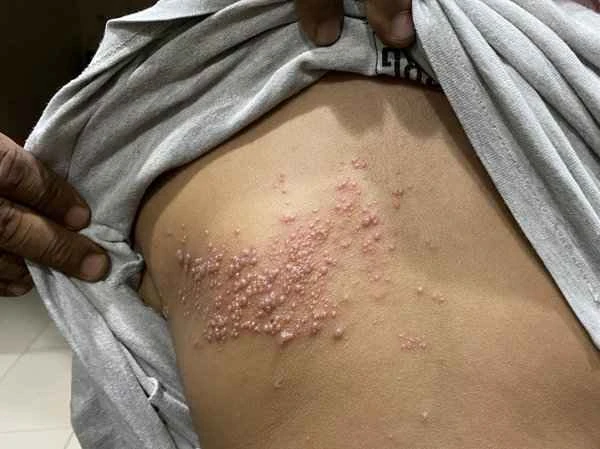
Postherpetic neuralgia, or persistent pain after shingles has healed, is a common symptom of neuropathic pain. Relieving postherpetic neuralgia requires a comprehensive treatment strategy, including medication, physical therapy, and psychological support, to reduce pain and improve the patient's quality of life.

In the treatment of postherpetic neuralgia (PHN), medication is one of the core approaches. Antiviral drugs such as acyclovir and famciclovir, used early in the acute phase of shingles, can reduce nerve damage, thereby lowering the incidence of PHN. For existing PHN, doctors may prescribe analgesics such as nonsteroidal anti-inflammatory drugs (NSAIDs), tricyclic antidepressants, or anticonvulsants. These drugs alleviate pain through different mechanisms. For example, tricyclic antidepressants reduce pain by regulating neurotransmitters in the brain, while anticonvulsants reduce abnormal discharges by stabilizing nerve cell membranes, thus achieving an analgesic effect. Local treatments, such as lidocaine patches, can also act directly on the painful area, providing local analgesia.
In the treatment of postherpetic neuralgia (PHN), patients may encounter some misconceptions, such as believing that the pain is temporary and requires no special treatment; or over-relying on medication while neglecting the importance of other non-pharmacological treatments. In reality, PHN can last for months or even years, and its treatment is a long-term process requiring a combination of methods. Treatment of PHN is not just about relieving pain; it also requires attention to the patient's mental health, as prolonged pain can lead to psychological burdens such as anxiety and depression. Psychological support and behavioral therapy are also important components of the treatment plan.

[Management Tip:]
1. Seek medical attention promptly and use antiviral and analgesic drugs as prescribed by your doctor.
2. Comprehensive pain management by combining physical therapy and psychological support.
3. Regular follow-up examinations should be conducted to monitor changes in pain and adjust the treatment plan as needed.