While urticaria is difficult to cure completely, symptoms can be effectively controlled through proper treatment and daily management. It is recommended to seek medical attention promptly and take comprehensive measures under the guidance of a doctor to alleviate discomfort.
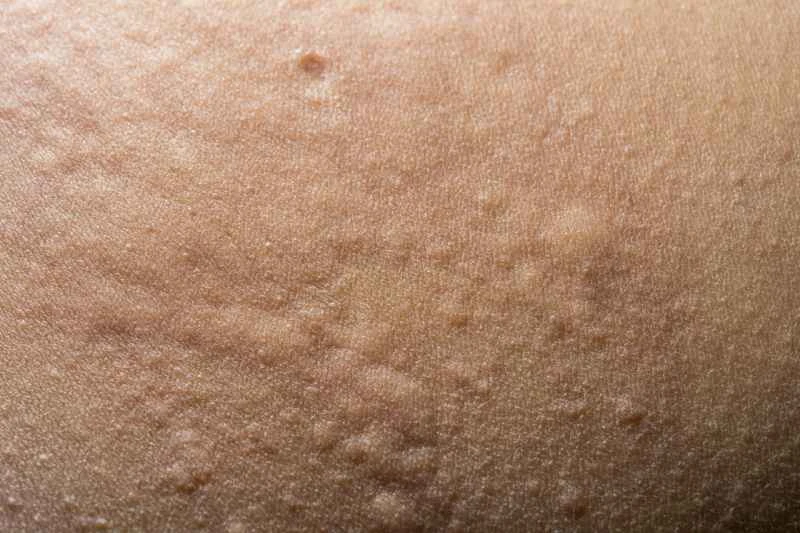
1. Medication: Doctors often prescribe antihistamines to relieve itching and hives. For recurrent cases, a longer course of treatment may be required; do not stop taking the medication on your own.

2. Find the triggers: Recording changes in diet, contact with objects, or environment can help identify factors that may trigger urticaria, such as certain foods, temperature changes, or stress.
3. Daily care: Wear loose cotton clothing and avoid excessively hot baths. During an flare-up, apply cold compresses to soothe itching, and maintain a regular sleep schedule.
It is recommended that you first consult a dermatologist and cooperate with the doctor to complete the necessary examinations. Be patient during treatment, and even after symptoms subside, follow the doctor's instructions for continued treatment. You can try keeping a "symptom diary" daily to help yourself and your doctor better understand the patterns of your condition and gradually establish a management method suitable for you.