If shingles is left untreated, the condition may resolve on its own, but this process can be quite painful and carries certain risks.
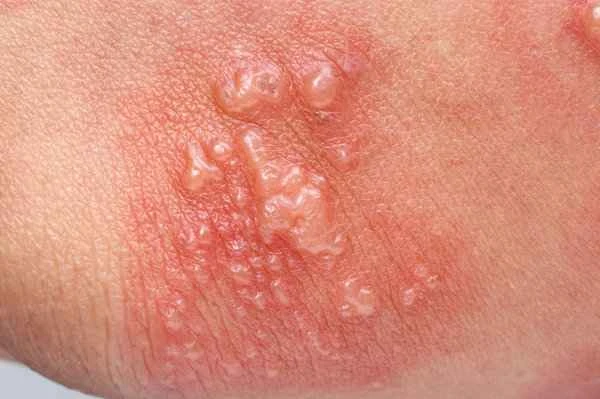
Shingles is caused by the varicella-zoster virus, which remains dormant in nerve cells after the initial infection. When immunity weakens, the virus reactivates and spreads along nerve pathways, causing a painful rash on the skin. The natural course of shingles is usually 2-4 weeks, but without medication, the active period of the virus may be prolonged, leading to longer periods of pain and potentially serious complications such as postherpetic neuralgia. Untreated shingles can also increase the risk of the virus spreading to the eyes, ears, and other areas, causing vision impairment or other serious consequences.
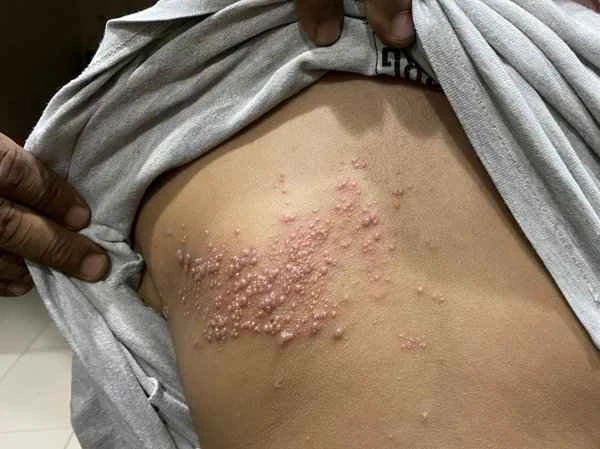
When treating shingles, antiviral medications can suppress viral replication, reduce viral damage to nerves, thereby shortening the course of the disease and alleviating pain. Without medication, recovery from shingles may be slower and more painful, and may leave behind long-term nerve pain. Although shingles may resolve spontaneously in some cases, timely treatment can significantly improve symptoms and reduce the risk of complications.

[Management Tip:]
1. Use antiviral drugs as early as possible to alleviate symptoms and prevent complications.
2. Maintain good personal hygiene to prevent the spread of the virus.
3. If severe pain or other serious symptoms occur, seek medical attention immediately.