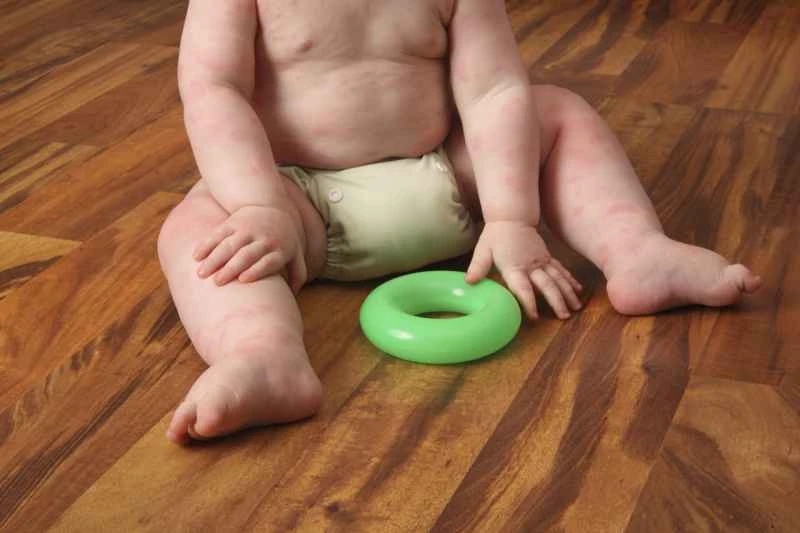
Degreasing treatment for dry seborrheic dermatitis primarily relieves symptoms by removing excess oil from the skin's surface. Degreasing is a crucial step in treating dry seborrheic dermatitis, involving reducing surface oil through cleansing and the use of specific medications, thereby alleviating inflammation and discomfort.
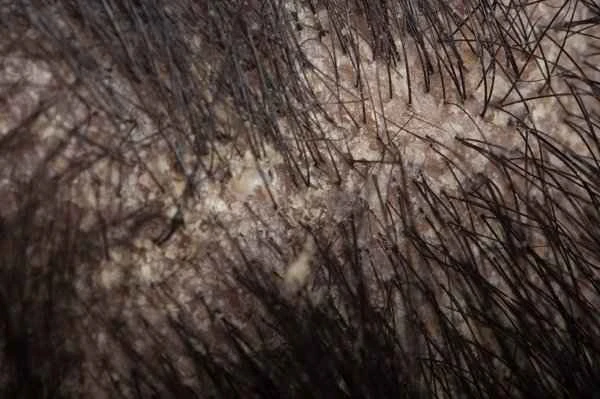
The key to effective degreasing lies in using gentle cleansers and appropriate medication. Choosing the right cleanser is crucial; it should effectively remove excess oil without disrupting the skin's natural barrier. Using ointments or lotions containing antifungal ingredients can further control the development of dermatitis. These medications achieve their degreasing effect by inhibiting fungal growth and reducing inflammation. Maintaining adequate skin hydration is also essential, as excessive dryness can irritate the skin and actually increase sebum production.
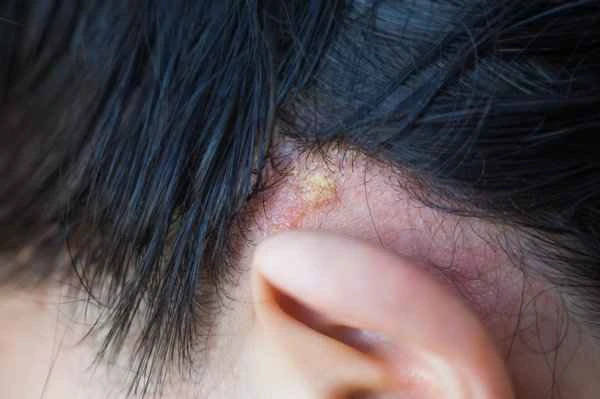
During treatment, patients may encounter some risks and misconceptions. Over-cleansing or using harsh cleansers can damage the skin barrier, leading to increased dryness and sensitivity. Some patients may mistakenly believe that simply reducing oil intake can cure dermatitis; this view ignores the complexity of dermatitis, as it is not solely caused by diet but also related to genetics, environmental factors, and more. During treatment, patients need to develop a personalized treatment plan under the guidance of a doctor, taking all factors into account.
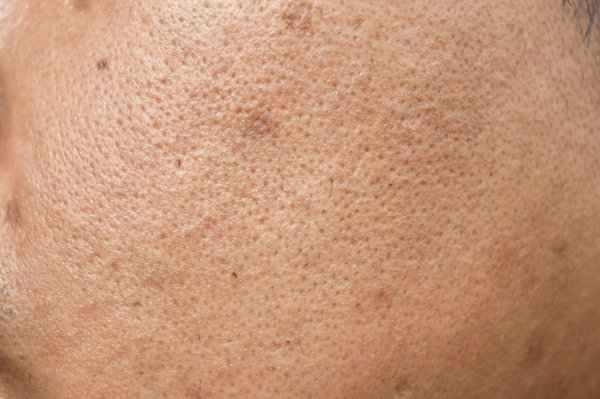
[Management Tip:]
1. Use a gentle, non-irritating cleanser to avoid damaging the skin barrier.
2. Use antifungal medications regularly to control the inflammatory response.
3. Keep your skin properly moisturized to avoid excessive dryness that can cause further problems.