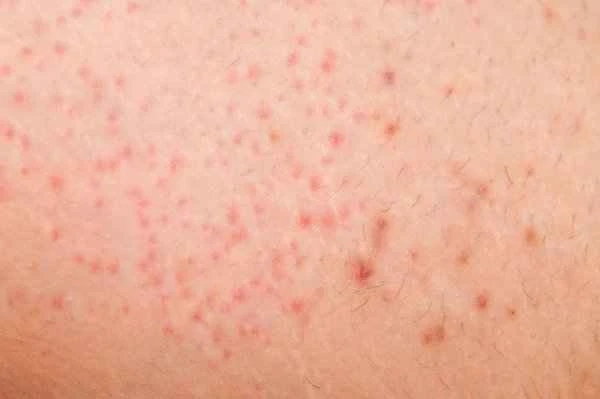
Keloids are an over-repairing skin reaction that usually forms after an injury. Eliminating keloids on the toes requires a combination of treatment methods.
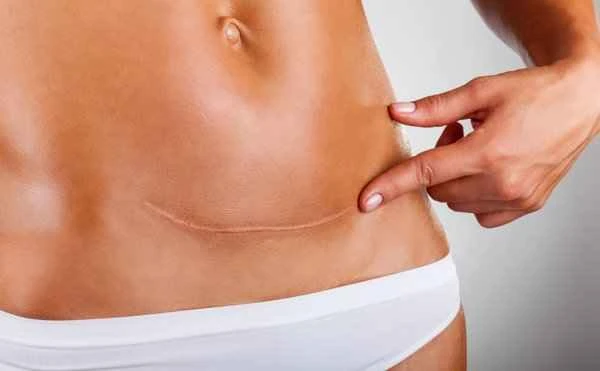
Keloids form due to excessive collagen production after skin injury. To treat keloids on the toes, it's essential to understand their formation mechanism. Treatment methods primarily include medication, physical therapy, and surgery. Medication typically uses corticosteroids, injected directly onto the keloid to inhibit excessive collagen production, thus softening and shrinking it. Physical therapy includes laser treatment, cryotherapy, and pressure therapy; these methods reduce redness and hardness, promoting softening and shrinkage. Surgical treatment is suitable for larger or stubborn keloids, involving the removal of scar tissue followed by other treatments to achieve optimal results. Each method has its advantages and disadvantages; the most suitable treatment plan should be chosen based on the specific condition of the keloid and the individual's health.
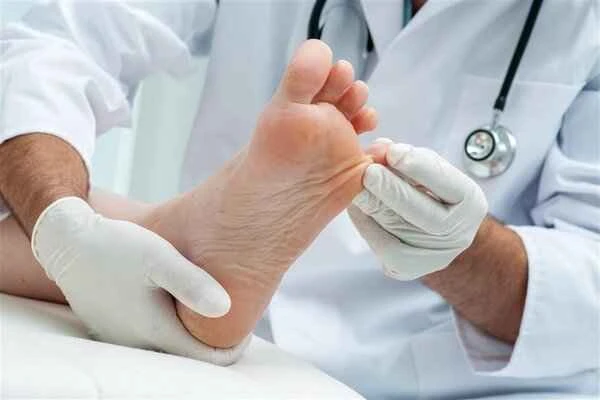
When treating keloids on the toes, it's crucial to avoid some common misconceptions. Keloid treatment requires patience, as their formation is a long process, and therefore, treatment takes time to show results. Trying home remedies or treatments without a doctor's guidance may worsen the keloids or even lead to infection or other complications. Finally, when treating keloids, avoid overuse of certain medications, as long-term use of corticosteroids can cause side effects such as thinning of the skin and hyperpigmentation.
[Management Tip:]
1. Regularly visit the hospital for evaluation and treatment of keloid scars.
2. Avoid using treatments without a doctor's guidance.
3. Keep your toes clean and dry to avoid infection.
4. If redness, swelling, pain, or other abnormal symptoms occur, seek medical attention promptly.