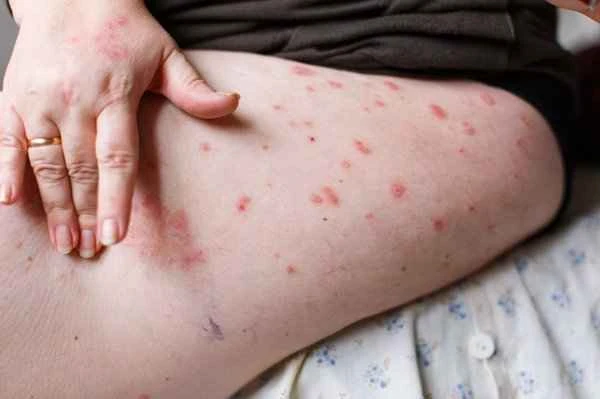
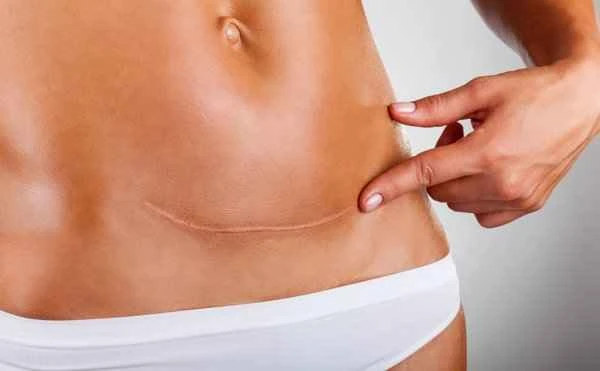
Keloids are a type of overgrown scar tissue. Complete treatment requires a comprehensive approach to control their growth and reduce discomfort.
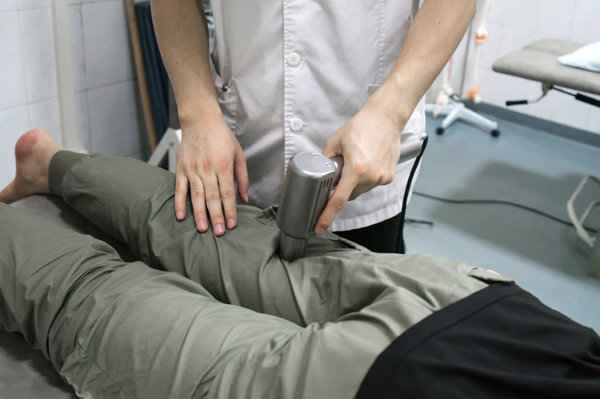
Completely curing keloids is a complex process that usually requires a combination of treatments. Drug therapy is a common approach, including topical corticosteroid injections, which suppress inflammation and reduce scar tissue formation. Laser and radiation therapy are also used to treat keloids; they reduce scar tissue growth by destroying fibroblasts in the scar tissue. Surgical excision is another treatment option, but it often requires follow-up treatments, such as pressure therapy, to prevent further excessive scar growth. These treatments each have their own mechanisms of action, controlling keloids by suppressing inflammation, destroying fibroblasts, or physically reducing scar tissue.
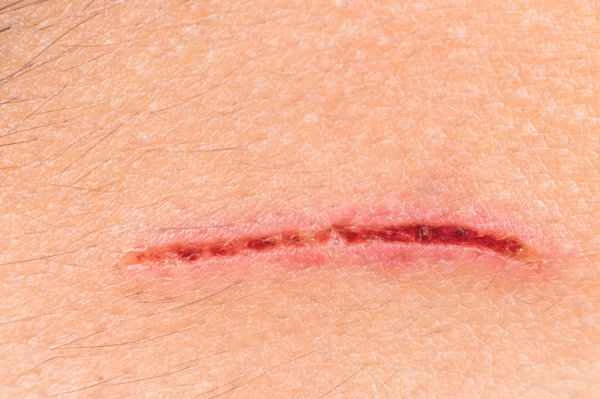
Patients may encounter some challenges and misconceptions during the treatment of keloids. Treating keloids often requires long-term adherence, and a single treatment may not achieve a complete cure. Side effects may occur during treatment; for example, corticosteroid injections may cause skin thinning, while laser treatment may cause temporary redness and swelling. Choosing the appropriate treatment method and undergoing treatment under the guidance of a professional doctor is crucial. Treatment outcomes are also affected by individual differences, including the size and location of the keloid, as well as the patient's individual constitution; these factors all influence the treatment's effectiveness and prognosis.
[Management Tip:]
1. Have regular check-ups at the hospital to assess the effectiveness of the treatment.
2. Avoid excessive friction and pressure on the keloid scar area.
3. If redness, swelling, pain or other abnormal symptoms occur, seek medical attention promptly.