Eliminating scarring after anterior ACL surgery is a process that requires comprehensive consideration of multiple factors. Scar formation is a natural repair response of the body to trauma, and eliminating postoperative scars requires a series of care measures to promote skin recovery and reduce scar formation.
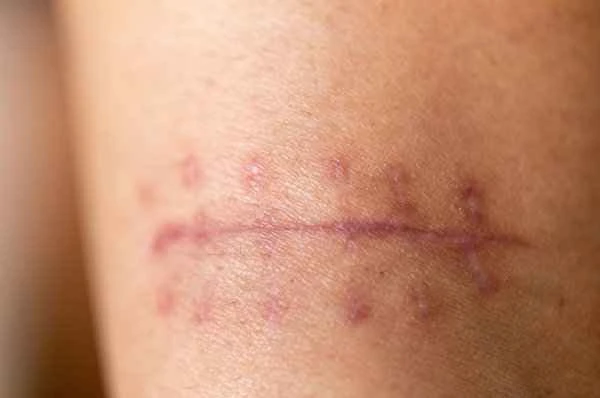
During the recovery process after anterior ACL surgery, the key to eliminating scarring lies in promoting wound healing and reducing inflammation. Post-operatively, the wound should be kept clean and dry to avoid infection, as infection can exacerbate scar formation. Using anti-scarring medications or patches, such as silicone sheets, can help reduce scar formation. These products reduce scarring by keeping the wound moist and promoting the normal arrangement of skin cells. Some topical medications, such as ointments containing vitamin E, silicone, or steroids, can also help reduce scarring. These medications work through different mechanisms, such as suppressing inflammation and promoting the normal arrangement of collagen, to reduce scarring. Finally, physical therapies such as pressure therapy can also help reduce scarring. This method reduces scarring by applying continuous pressure to inhibit excessive proliferation of skin cells.
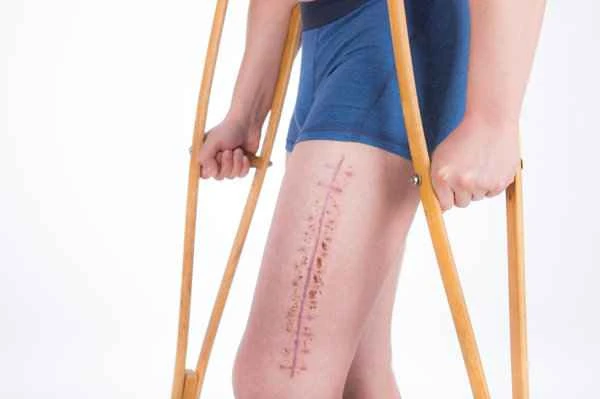
When managing scarring after anterior ACL surgery, it's important to note that scar formation is a complex process, and individuals may react differently. It's best to consult a doctor before taking any action to determine the most suitable treatment plan. Some patients may experience adverse reactions to certain medications or treatments; therefore, a skin test should be performed before using any medication or treatment to ensure there are no allergic reactions. Finally, some patients may develop hypertrophic scarring after surgery, in which case more aggressive treatment measures may be necessary, such as laser therapy or surgical excision.
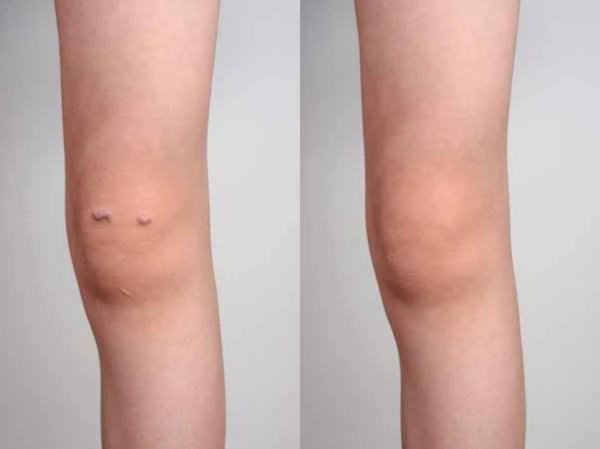
[Management Tip:]
1. Keep the wound clean and dry to prevent infection.
2. Use anti-scarring medications or patches, such as silicone patches.
3. Perform skin tests regularly to ensure that no allergic reactions are caused.
4. If scar hyperplasia or other conditions occur, seek medical attention promptly for professional treatment.