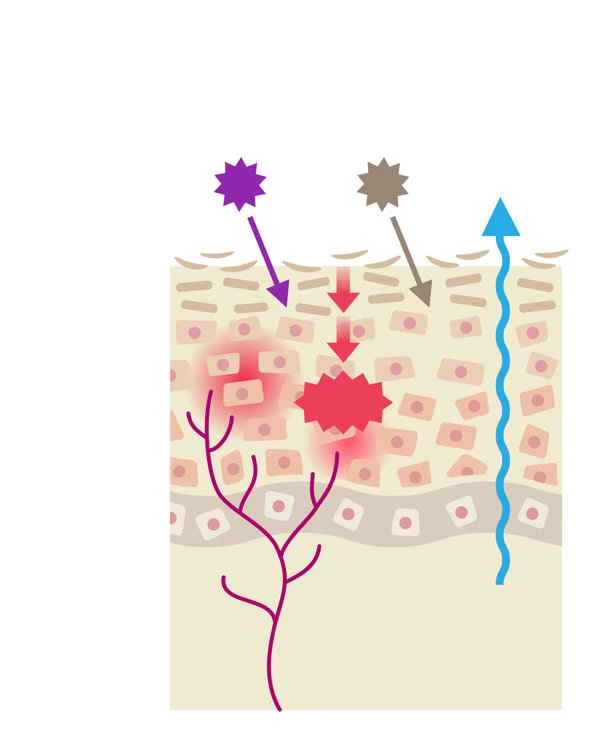
A large lump on the inside of the elbow can be caused by a variety of reasons, such as a lipoma, swollen lymph nodes, or cysts. This condition is usually painless, but it may be accompanied by pain or other symptoms.

A lipoma is a common benign tumor, usually soft in texture and mobile under the skin. It typically doesn't cause pain, but if located near a nerve, it may cause mild discomfort. Lipomas can form due to genetic factors or prolonged pressure on certain parts of the body. If the lump becomes more noticeable or painful under certain circumstances (such as after exercise), it may be due to changes in local blood circulation or muscle tension.

Another possibility is swollen lymph nodes. Swollen lymph nodes are usually a sign that the body is responding to an infection, such as a bacterial or viral infection. When lymph nodes bulge on the inside of the armpit, you may feel a hard lump under the skin, and sometimes you may feel multiple small lumps. If this is accompanied by fever, pain, or localized redness and swelling, it could be a sign of infection. If the symptoms are progressively worsening, accompanied by high fever, rapid weight loss, or changes in skin color, the possibility of malignancy or other serious illness should be considered.
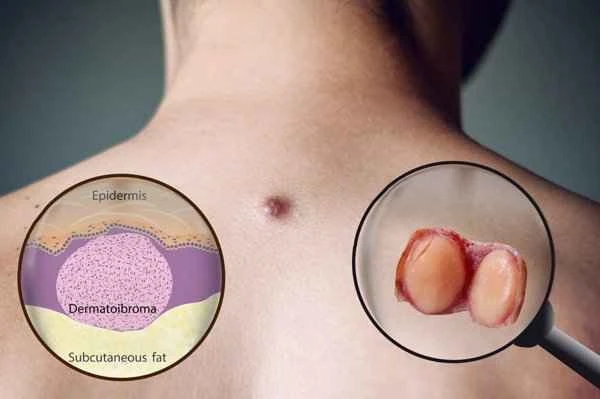
In addition to the above possibilities, another possibility is a cyst, such as a sebaceous cyst. It is usually formed due to the blockage of sebaceous glands, has a hard texture, clear borders, and is usually painless. However, if the cyst becomes infected, symptoms such as redness, swelling, and pain may occur.
Warning signs: If the lump suddenly enlarges, hardens, becomes red and swollen, becomes more painful, or is accompanied by fever, seek medical attention immediately. If the lump rapidly enlarges within a short period or shows signs of worsening, you should also seek professional medical diagnosis and treatment promptly.
[Prevention Tips:]
1. Maintain good personal hygiene habits to reduce the risk of infection.
2. Pay attention to a balanced diet and avoid excessive intake of high-fat foods.
3. Have regular physical checkups to detect and address potential health problems promptly.
4. Avoid prolonged pressure on the same area to reduce the occurrence of diseases such as lipomas.