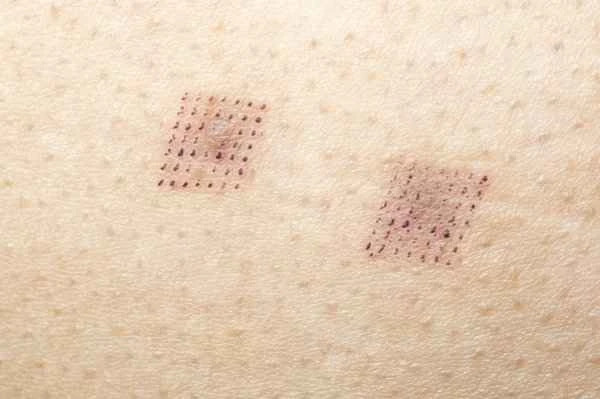
Treatment of internal skin scars primarily involves various methods to reduce their appearance and discomfort. Scars form during the skin's repair process and can result from trauma, surgery, acne, or other skin injuries. Methods for treating internal skin scars include medication, physical therapy, and surgical intervention. These methods aim to reduce redness, hardness, and protrusion of the scar, while improving skin texture and appearance.
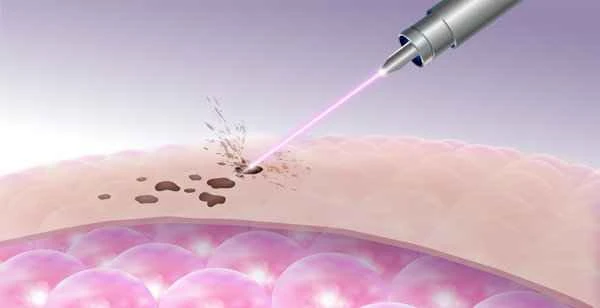
When treating internal scars, it's crucial to first identify the type of scar, as different types may require different treatments. For example, hypertrophic scars and keloids typically require more intensive treatments, such as corticosteroid injections, laser therapy, or pressure therapy. These treatments work on different mechanisms: corticosteroid injections reduce inflammation and scar tissue formation, laser therapy promotes collagen rearrangement, and pressure therapy uses sustained pressure to reduce scar tissue growth. Some oral and topical medications can also help reduce scarring, such as silicone gel and vitamin E, which improve the appearance of scars by promoting skin repair and regeneration.
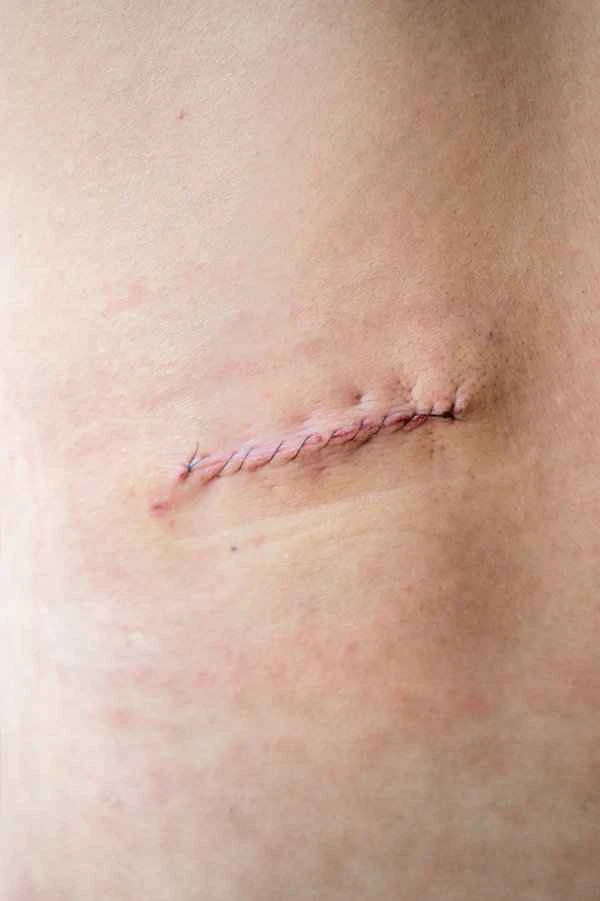
When treating internal scars, patients need to understand that scar treatment is a long-term process, which may take months or even years to see noticeable results. Additionally, some side effects may occur during treatment, such as pain at the injection site, dry skin, or allergic reactions. It is best to consult a professional dermatologist before starting any treatment to ensure that the most suitable treatment plan is chosen. Avoid purchasing medications or treatments that are not recommended by a doctor, as this may lead to poor treatment results or unnecessary side effects.

[Management Tip:]
1. Use topical medications recommended by your doctor regularly or undergo physical therapy.
2. Avoid direct sunlight on the scarred area and use sunscreen to protect the skin.
3. Maintain healthy lifestyle habits, such as a balanced diet and moderate exercise, to promote skin health.
4. If any abnormalities occur, such as a sudden change in the color or texture of the scar, you should seek medical advice promptly.